




Understanding unexpected summer showers
Unexpected summer showers aren’t just a surprise; they can turn your relaxed sunny day into a rushed rescue mission for outdoor cushions and garden parties. While most people enjoy the sporadic cooling effects of rain after a hot day, these sudden downpours can also lead to water damage and a flurry of domestic challenges. From ensuring your garden remains an oasis to keeping your home interior unaffected, preparation is key.
Belangrijkste punten
- Unexpected summer showers can cause water damage if your home isn’t prepared.
- Preparedness involves securing outdoor areas, inspecting your home’s drainage, and using water-resistant materials.
- Proper insulation and humidity control are essential for preventing interior damage.
Inspect your roof and drainage systems
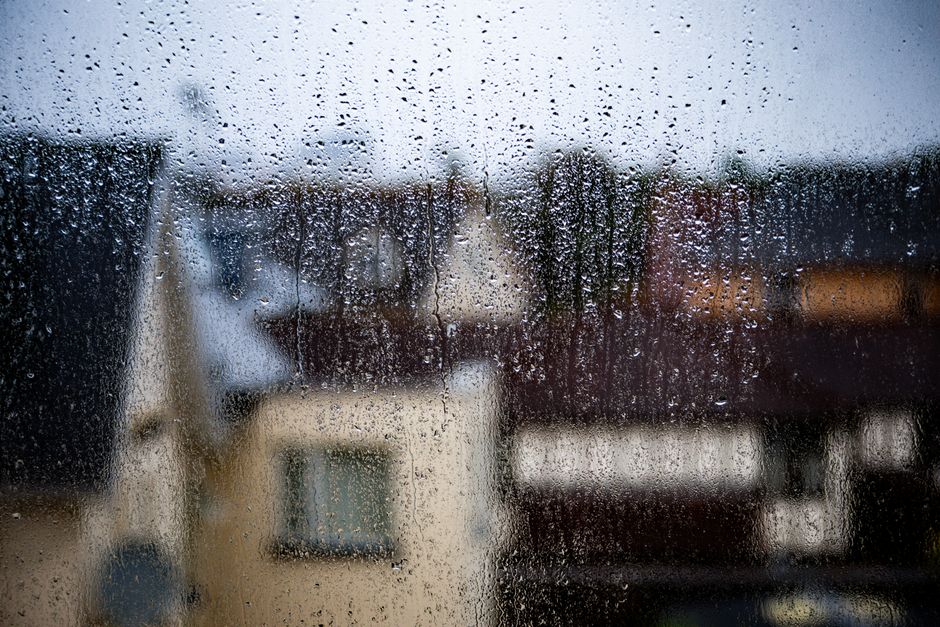
Your roof and drainage systems serve as the first defense against unexpected downpours. Regular inspections can prevent costly repairs and ensure that your home remains dry and cozy. Check for missing or cracked shingles as well as debris in gutters that can lead to water pooling or even leaks.
Over time, even the most robust roofing materials can wear out. An annual inspection, ideally before the rainy season begins, is a smart preventive measure. Cleaning out your gutters regularly not only prevents water from flooding over and damaging siding but also protects your foundation by directing water away from the base of your home.
Seal your doors and windows properly
Inadequate seals on doors and windows can let unwanted rainwater into your home through cracks and crevices. Ensuring that these are weather-sealed is vital to maintain a barrier against sudden summer showers. Use high-quality weatherstripping around doors and apply silicone caulk to seal any gaps or cracks in window frames.
Inspect your seals at least twice a year—early spring and late fall are optimal. Even small leaks can lead to significant damage over time, so act promptly by replacing worn-out materials as soon as they show signs of failure.
Provide protection for outdoor furniture

Your outdoor living space needs attention too, especially if you like impromptu gatherings or peaceful alone time in the garden. Summer showers can cause wear and tear on outdoor furniture, so protective measures are necessary to ensure longevity. Consider using covers made from water-resistant fabric for chairs and tables.
Create a designated undercover area or invest in easy-to-assemble outdoor furniture canopies. You can find high-quality covers or build your canopy at www.grootformaatdrukkerij.be, which offers custom solutions for outdoor spaces.
Enhance indoor preparedness
Keeping the interior of your home dry involves more than sealing doors and windows. Ensure your home has adequate insulation and humidity control measures. Controlling indoor climate helps prevent mold growth and keeps your home comfortable even when it’s pouring outside.
Use dehumidifiers, especially in basement areas or rooms prone to condensation. Insulating walls also helps in maintaining a consistent temperature indoors. This tip not only ensures dryness but can also boost your overall energy efficiency. If you’re planning a home upgrade, or even designing a new child’s room, consider integrating functional accessories that combat damp conditions. For more ideas, you can explore how to do this under creative constraints in the article Hoe creëer je een speelse kinderkamer met functionele accessoires.
Utilize permeable paving solutions
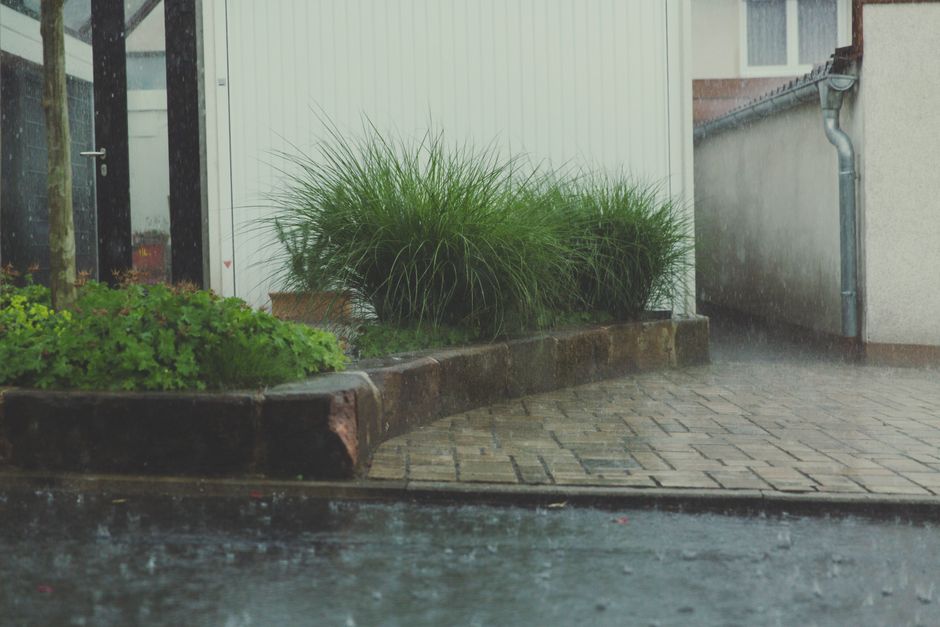
Permeable paving is an excellent strategy for handling runoff water and preventing backyard flooding. These surfaces allow water to seep through the paving and infiltrate the ground, reducing the amount of water that runs toward your home’s foundation.
Modern permeable pavers come in various materials and designs, providing both aesthetic appeal and functionality. They’re particularly useful if you have large paved areas like driveways or patios. Strategically placing them in flood-prone areas can significantly mitigate water-related risks.
Practice smart gardening techniques
During unexpected showers, proper landscaping can direct excess water away from vulnerable spots in your home. Invest in maintaining healthy soil with natural drainage properties, and consider building rain gardens that can capture and make use of the rain.
Plant bushes and ground covers that can withstand heavy rains, and use mulch to reduce erosion. Additionally, positioning rain barrels at the base of downspouts can aid in collecting rainwater, which you can use for future irrigation. For those interested in further developing their culinary skills with produce from their garden, you might explore the art of balancing flavors to surprise your palate at the dedicated guide, Leer hoe krokante en smeuïge texturen in gerechten zorgen voor verrassing bij elke hap.
Veelgestelde vragen
How often should I inspect my roof and gutters?
Conduct inspections at least once a year, ideally before the rainy season begins to ensure they are free from debris and damage.
What materials are best for outdoor furniture protection?
Water-resistant covers made from durable fabric are best, and materials like metal and treated wood require less maintenance.
Can permeable paving help with heavy rainfall?
Yes, permeable pavers provide an effective solution for managing runoff water, preventing excess pooling and potential flooding.
What are the benefits of rain gardens in the yard?
Rain gardens help manage stormwater runoff, reduce erosion, and improve water quality by filtering rainwater naturally.
Prepared and weather-ready: how rainproof is your domain?
Taking a proactive approach to summer shower preparedness ensures that your outdoor enjoyments remain undisturbed and your home stays protected. By focusing on improvements like drainage enhancement, furniture protection, and integrating smart gardening, you can embrace summer rains and weather them with ease. A little preparation can transform potential nuisances into opportunities to enjoy and appreciate our home’s capacity to handle the elements.
