



Starting your own vegetable garden with hydroponic systems can be an exciting and efficient way to grow your own fresh produce. Hydroponics offers a soil-free gardening method that allows plants to grow faster and produce more efficiently.
Belangrijkste punten
- Hydroponics uses nutrient-rich water to grow plants, avoiding soil altogether.
- Beginners can start with simple systems like the Wick System or Deep Water Culture.
- Environmental factors such as light, temperature, and water pH are critical to plant growth.
- Hydroponic gardening can be more sustainable and space-efficient than traditional gardening.
- Regular maintenance and monitoring are essential to prevent system failures.
What is hydroponics?
Hydroponics is a method of growing plants using nutrient-rich water instead of soil. This allows the roots to have direct access to nutrients and oxygen, enabling plants to grow more rapidly.
By cutting out soil, hydroponics provides a more controlled environment for plant growth. This capability is particularly valuable for those who want to grow vegetables in smaller spaces, optimizing every inch for maximum productivity.
How to start a hydroponic garden?
To start a hydroponic garden, you need to choose a suitable system, gather necessary materials, and create the right environment for your plants. Beginners often start with simple systems like the Wick System or Deep Water Culture (DWC).
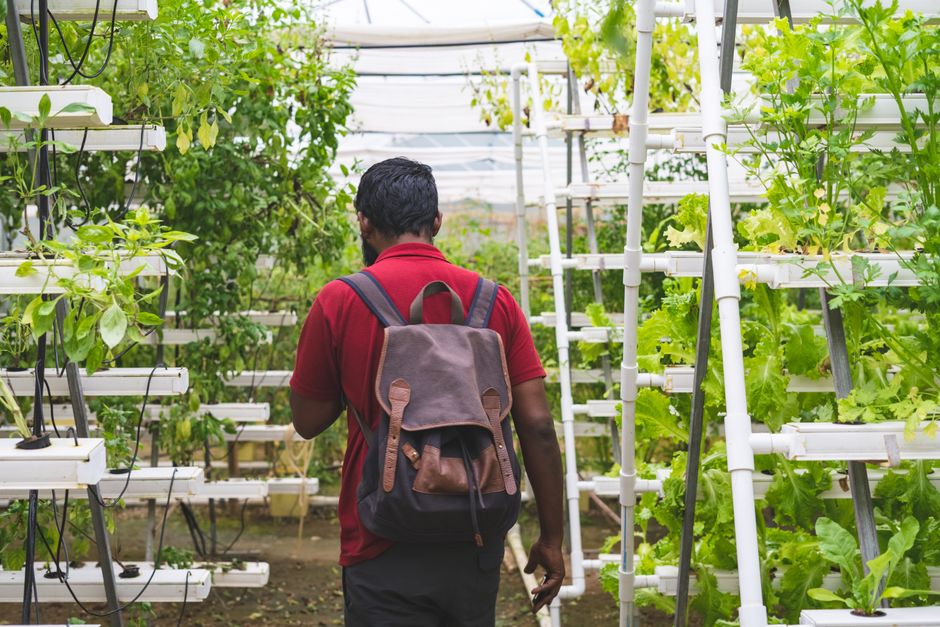
Step 1: Choose a system. Wick Systems and DWC are cost-effective and ideal for beginners. The Wick System uses a passive technique, while DWC involves floating plants on nutrient-rich water.
Step 2: Gather essential materials such as reservoirs, growing trays, pumps, and a nutrient solution. You can often find these materials at local gardening stores or online retailers.
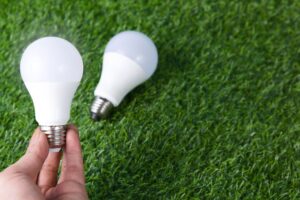
Step 3: Set up your system in a space with adequate light. If natural sunlight isn’t sufficient, consider using LED grow lights to supplement the light your plants require.
Choosing plants for your hydroponic system
When selecting plants for your hydroponic system, it’s essential to choose those that thrive in nutrient-rich water environments. Leafy greens, herbs, and certain fruits are excellent choices.
Common choices include lettuce, spinach, basil, mint, strawberries, and tomatoes. Ensure that these plants have proper support as they grow and weigh more, especially fruiting plants like tomatoes or peppers.
Maintaining your hydroponic system
Regular maintenance of a hydroponic system involves monitoring pH levels, nutrient concentrations, and ensuring adequate light. It’s crucial to prevent algae growth and system blockages.
Nutrient solutions should be changed every 2-3 weeks, and pH levels should be kept between 5.5 and 6.5. Algae can be controlled by covering exposed water to block sunlight, reducing its growth.
Ensuring a consistent environment may also include using a pH meter and EC tester to frequently check water conditions, thereby optimizing your plants’ growth cycle.
Hydroponics vs traditional soil gardening
Hydroponics offers distinct advantages over traditional soil gardening, including faster growth rates, greater yields, and reduced water usage. It is particularly beneficial for constrained spaces and poor soil quality areas.
Compared to soil gardening, hydroponics can use up to 90% less water. Additionally, because hydroponic systems recycle water, they present a more sustainable gardening option.
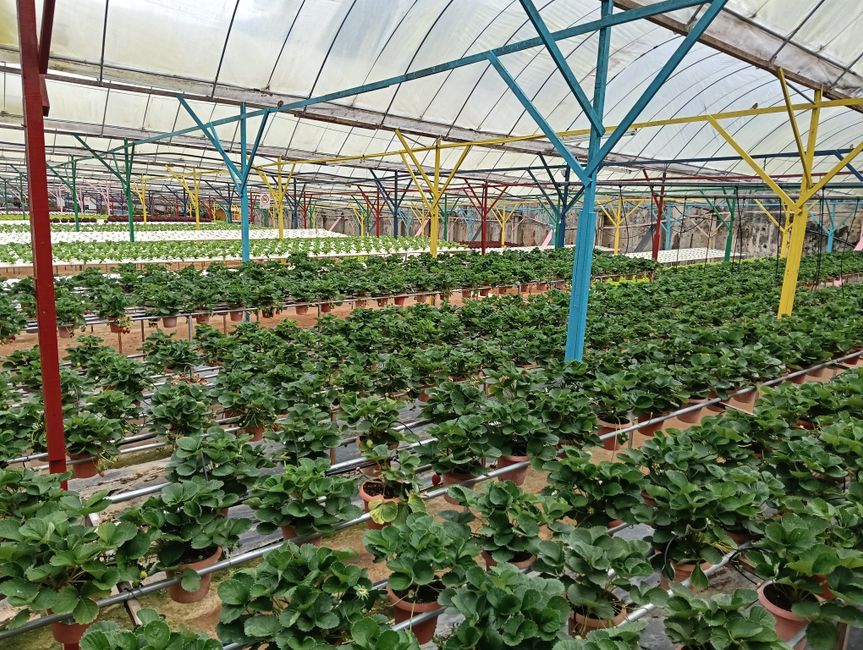
In places where soil conditions are not ideal, such as urban areas, hydroponics presents an alternative approach by providing controlled environments, much like using specialized garden plans to solve common gardening issues.
Building your hydroponics knowledge
As in any gardening endeavor, ongoing learning about hydroponics will enhance your success. Books, online courses, and community forums can be valuable resources.
The growing community around hydroponics often shares tips, experiences, and problem-solving strategies. Engaging with these communities can provide insights and support on your hydroponic journey.
Additionally, visuals, such as those offered by a premium textielbanner België, can inspire and inform your design choices, bringing a natural and serene aesthetic into your setup.
Veelgestelde vragen
What are the benefits of hydroponics?
Hydroponics allows for faster plant growth, higher yields, and 90% less water usage compared to soil cultivation. This makes it ideal for urban areas and regions with poor soil quality.
Which plants grow best in hydroponic systems?
Leafy greens like lettuce and spinach, herbs like basil and mint, and fruits like strawberries and tomatoes are excellent choices for hydroponic systems.
How often should I change the nutrient solution?
It is recommended to change the nutrient solution every 2-3 weeks to maintain optimal pH and nutrient levels for healthy plant growth.
Is hydroponics suitable for all plants?
Not all plants are suitable for hydroponics. Larger plants or those with extensive root systems may require more advanced setups and spacing considerations.
Do hydroponic systems need artificial lighting?
While natural sunlight is best, artificial lighting such as LED grow lights can be used to ensure plants receive the necessary amount of light to thrive, particularly in indoor setups.
Gardening evolution: from soil to solution
The world of gardening is evolving with hydroponics offering a robust avenue for sustainable cultivation, especially in urban settings. Combining efficiency with technology, hydroponics transforms the way we think about growing plants.
This transformation not only helps in conserving vital resources like water but also utilizes innovative methods to increase yield in smaller spaces, aligning with trends that favor smart and efficient home gardening solutions.
