


In 2026, minimalistic windows continue to trend as a favorite choice for modern home décor. With clean lines and an emphasis on natural light, both blinds and pleated shades have evolved to meet this design ethos. As we delve into the latest trends, it’s clear that simplicity and functionality drive innovation in window treatments.
Belangrijkste punten
- Minimalistic design enhances natural lighting and aligns with contemporary interior styles.
- Smart technology integration in window treatments reflects growing demand for automation.
- Eco-friendly materials are increasingly popular in sustainable home designs.
- Blinds with color and material innovation can act as focal points in minimalist spaces.
- Trends in window coverings reflect broader shifts in home design towards sustainability and efficiency.
Minimalism and its focus on natural light
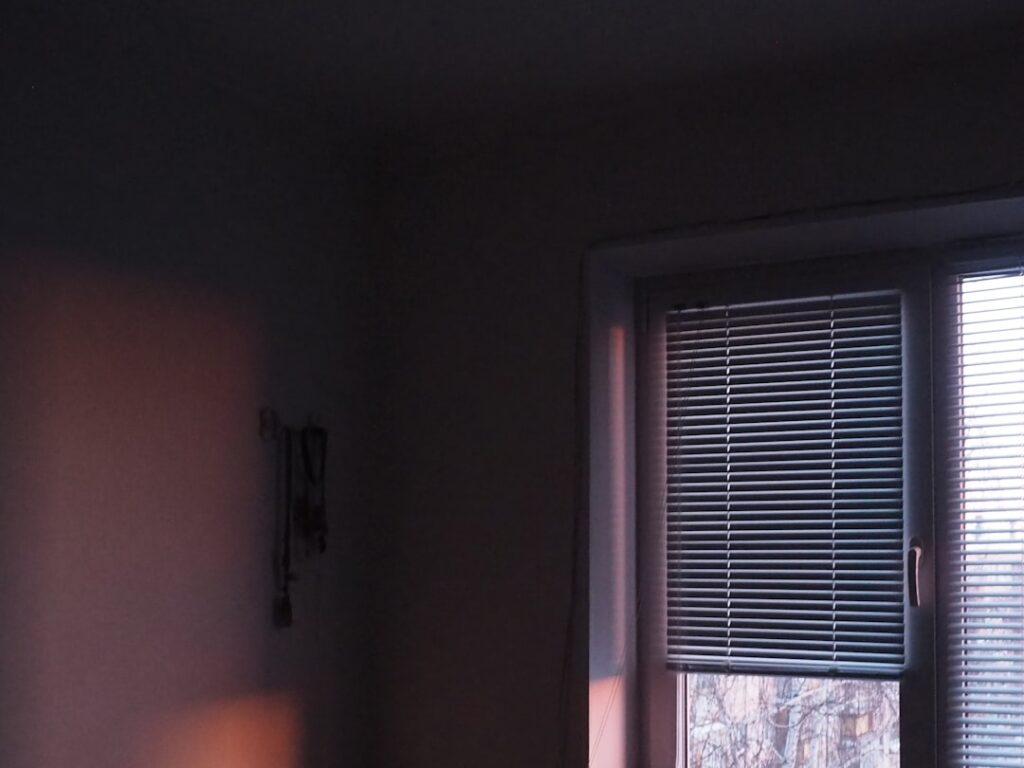
Minimalism’s emphasis on natural light has changed the way we view window treatments. Minimalist blinds and pleated shades allow maximum sunlight to grace your spaces, reducing the dependency on artificial lighting. This trend aligns perfectly with today’s greige interior designs where light plays a vital role, inviting you to explore optimal lighting solutions.
Minimalistic design reduces visual clutter while enabling energy efficiency. By maximizing light entry through strategic use of window coverings, homeowners can significantly cut down on energy costs. This functional aspect not only enhances the aesthetic appeal but also contributes to a more sustainable lifestyle.
Technology integration in window treatments
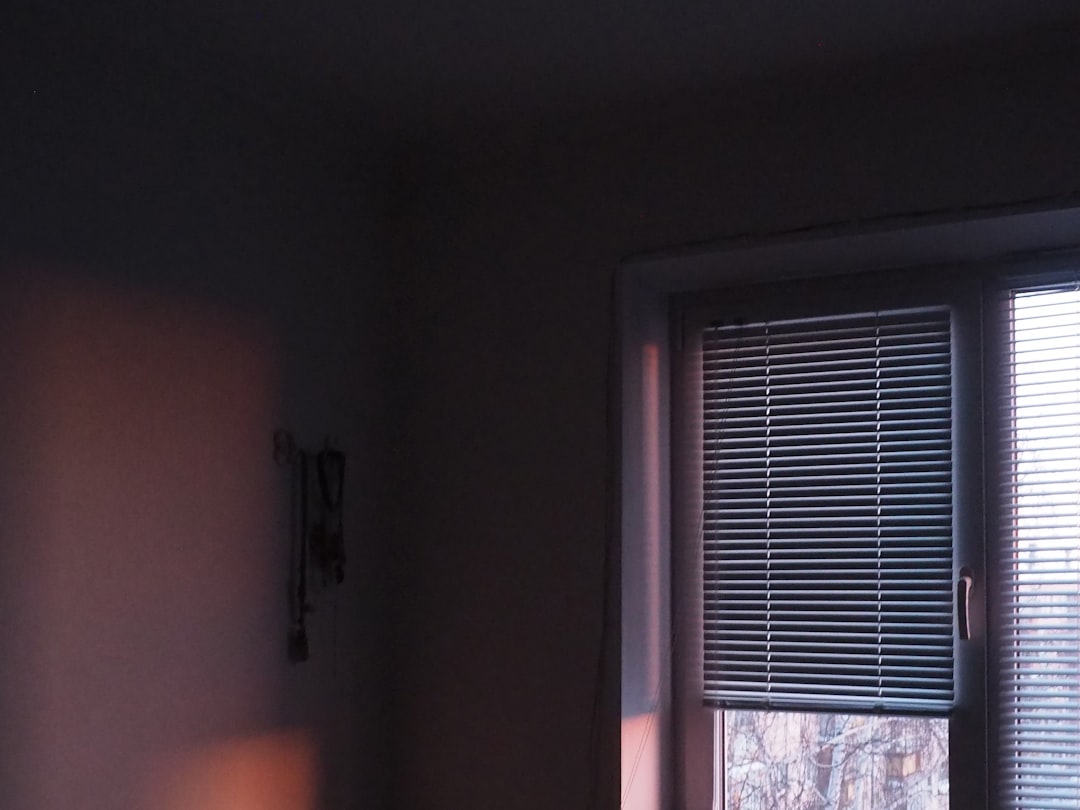
Smart technology is transforming window treatments into dynamic elements of home automation systems. Smart blinds, which adjust automatically based on time of day or user preferences, reflect the growing trend towards efficiency and convenience in 2026. This seamless integration enhances user experience, from voice-activated controls to smartphone apps that can adjust settings remotely.
The rise of smart homes shows no sign of slowing, and window treatments have become a crucial aspect of this trend. Homeowners increasingly expect their blinds to sync with their lifestyle, offering not just privacy and light control but also improved security and energy management.
Sustainability in materials and design
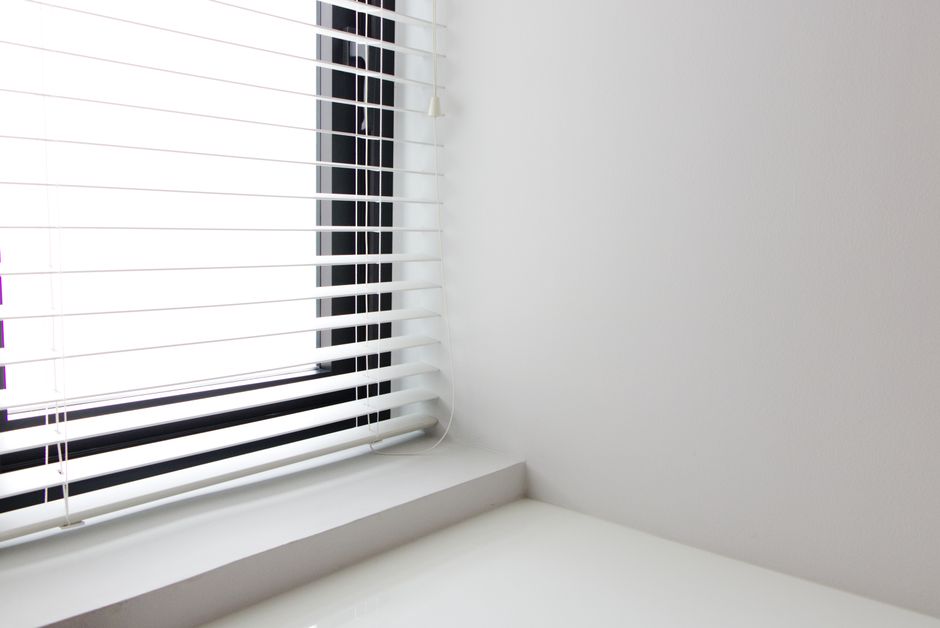
Sustainability has emerged as a key consideration in the selection of window treatments. In 2026, consumers are gravitating towards eco-friendly materials such as bamboo and recycled textiles for their blinds and pleated shades. This shift not only reflects a broader environmental awareness but also influences design preferences.
High-quality, sustainable materials lend both durability and aesthetic appeal to window treatments, proving that eco-friendly choices don’t have to compromise on style. As more companies embrace sustainable manufacturing processes, these environmentally conscious options are becoming more accessible to the average consumer.
Color and material innovations in minimalistic blinds
Innovations in color and materials have allowed window treatments to evolve from mere functional items into decorative elements. With an array of colors and textures available, blinds can now complement any interior style—from stark, white minimalism to more eclectic arrangements. For example, vintage elements such as Asian rugs can create a stunning bohemian-chic effect when paired with neutral-colored blinds.
Additionally, manufacturers are exploring mixed materials, combining metals with fabrics to create visually striking yet minimalist designs. This allows homeowners to maintain a minimalistic aesthetic while adding their personal touch through unique window treatments.
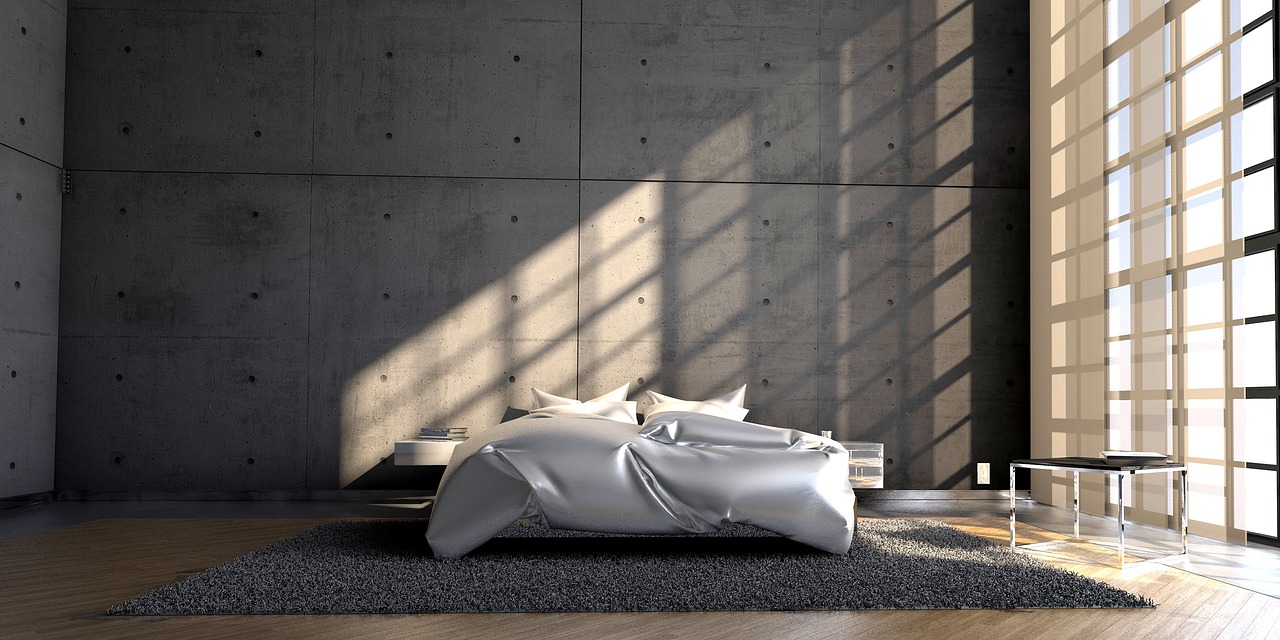
What consumers seek in 2026 window treatments
In 2026, consumers are seeking window treatments that offer both functionality and aesthetic appeal. They expect customization options to align window treatments with their personal style while ensuring durable, high-performing products. These priorities reflect a shift towards products that provide holistic benefits, enhancing both home aesthetics and lifestyle quality.
Beyond basic functionality, today’s consumers demand window treatments which enhance privacy without hindering natural light. This careful balance of light management with modern design ensures that window coverings continue to evolve with consumer needs.
Veelgestelde vragen
What makes minimalistic window designs popular?
Minimalistic window designs are popular for their ability to enhance natural light and create a clean, modern aesthetic. They seamlessly integrate with smart home features and emphasize sustainability, meeting the demands of contemporary living.
How do smart blinds work?
Smart blinds use automated systems to adjust based on sunlight exposure, time, and user preferences. Controlled via smartphone apps or voice commands, they offer convenience, energy efficiency, and improved home security.
Are sustainable window treatments more expensive?
While some sustainable materials may initially cost more, they often provide long-term savings through energy efficiency and durability. As these options become more mainstream, the price difference is decreasing.
Can window treatments complement unique design styles?
Yes, with a wide range of colors, textures, and patterns available, window treatments can blend effortlessly with different design aesthetics, from minimalist to bohemian-chic.
The future of window treatments: simplicity meets innovation
As 2026 unfolds, minimalistic window treatments redefine how light and privacy are managed in our homes. With a blend of smart technology, sustainable materials, and innovative design, they embody a future where style meets functionality. This evolution reflects broader trends in home design and sets the stage for continued innovation in years to come.
