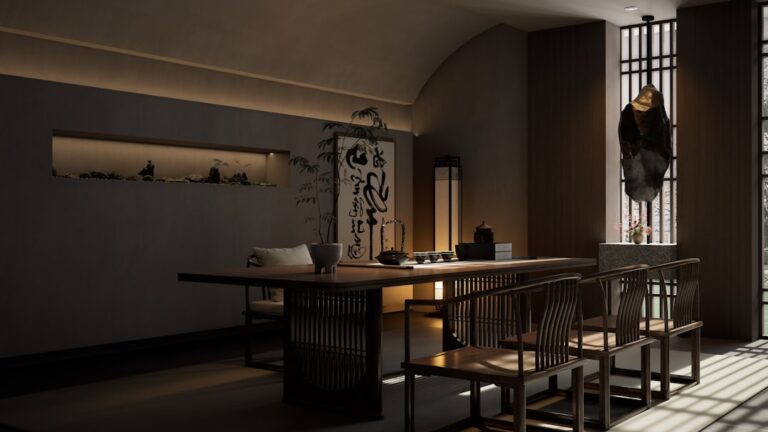




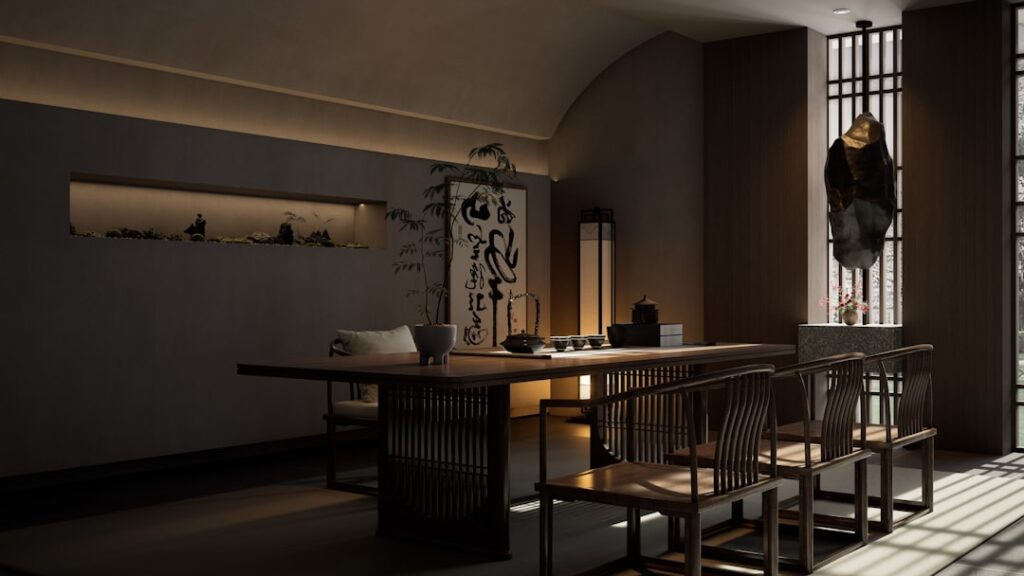
The Japandi style is a fusion of Japanese and Scandinavian design philosophies, drawing on the shared values of simplicity, functionality, and a deep connection to nature. As the leaves begin to change and the air grows crisp, incorporating Japandi elements can transform your living room into a serene, minimalist sanctuary that reflects the beauty of autumn.
Belangrijkste punten
- Japandi style combines Japanese and Scandinavian design principles.
- It emphasizes natural materials and a minimalistic approach.
- Neutral color palettes are central to achieving a zen vibe.
- Small touches, like handcrafted decor, can enhance the authenticity of the style.
What is Japandi style?
Japandi style is an interior design trend that synergizes the minimalist ethos of Japanese interiors and the functionality and comfort of Scandinavian design. This style is characterized by clean lines, a serene color palette, and the use of natural materials such as wood and bamboo. It’s about finding beauty in simplicity and imperfection, a concept known as wabi-sabi in Japanese culture.
The Japandi aesthetic is particularly appealing in the fall season, as it evokes a sense of calm and tranquility, which contrasts beautifully with the vivid colors of autumn leaves outside your window.
The color palette: embracing the Zen vibe
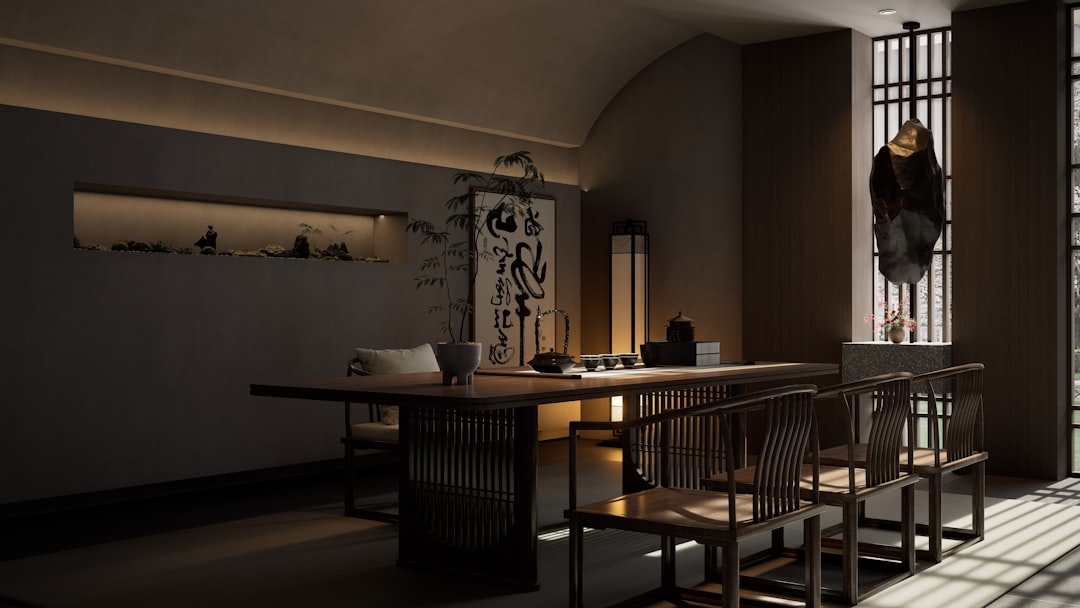
The Japandi color palette is defined by its calmness and neutrality, often featuring shades of beige, taupe, and soft grays. These colors provide a perfect backdrop for highlighting natural textures and can be easily complemented by darker hues like charcoal or olive to reflect the changing seasons.
Accent pieces in darker tones not only nod to the earthy colors of autumn but can also add depth and contrast to the otherwise serene setting. The use of colors is minimal but intentional, maintaining harmony and balance throughout the space.
Materials and furniture: bringing nature indoors
Natural materials are the cornerstone of Japandi design. Woods like oak, teak, or walnut are often used for furniture, while cotton and linen are preferred for textiles. The tactile quality of these materials adds warmth and richness to the room, emulating a grounded environment that is in tune with nature.
Furniture in the Japandi style should be functional yet aesthetically pleasing. Considerably low to the ground, tables and chairs embody simplicity and humility. Complementing these are handmade pottery and ceramics, which introduce an artisanal touch and celebrate imperfection.

Decor and accessories: simplicity with meaning
While Japandi design emphasizes minimalism, well-chosen decor pieces can enhance the ambiance of your living room. Opt for handcrafted items that reflect personal stories or cultural heritage, such as antique Japanese vases or Scandinavian woven baskets.
Simplicity is key, but the use of personal items can imbue the space with warmth and character. Additionally, incorporating elements from Overkapping trends die je tuin omtoveren tot een oase can inspire outdoor elements inside, enhancing the natural theme.
Lighting and window treatments: the art of subtleties
Lighting in a Japandi living room should evoke a sense of peace and intimacy. Soft lighting options like floor lamps or candles can create a cozy atmosphere, while pendant lights made from natural fibers further anchor the room in its organic motif.
For window treatments, consider Minimalistische ramen: nieuwe trends in jaloezieën en plisségordijnen which can maintain privacy while allowing natural light to filter inside, complementing the serene aesthetic.
Influence on lifestyle: embracing mindfulness
Adopting a Japandi style isn’t merely an aesthetic choice—it’s a lifestyle change towards simplicity and mindfulness. By emphasizing decluttering and thoughtful living, this style encourages homeowners to invest in quality over quantity and to cherish each piece within their space.
Moreover, employing De invloed van minimalistische raambekleding op energiebesparing underscores how Japandi can positively affect sustainability practices in the home, further aligning with eco-friendly values.
Veelgestelde vragen
How do I incorporate Japandi style into my current decor?
Begin by decluttering your space and then introduce neutral colors and natural materials such as wood and linen. Consider investing in quality pieces that serve both aesthetic and functional purposes.
Why are natural materials important in Japandi design?
Natural materials enhance the calming and grounded essence typical of Japandi style, aligning interiors closely with nature, thus embodying a central aspect of this design philosophy.
What are some common Japandi color palettes?
Common Japandi palettes include soft shades of white, beige, gray, and taupe, often accented with darker tones like black or dark green to add contrast.
Is Japandi style practical for family homes?
Yes, it emphasizes functionality and simplicity, making it ideal for family living. It encourages organized living and fosters serene environments conducive to family bonding.
Creating a contemporary autumn atmosphere
The Japandi style provides a tranquil backdrop for the autumn season, offering an opportunity to bring warmth and mindfulness indoors. By blending natural elements and a muted color palette, homeowners can cultivate a space that is both cozy and sophisticated in its simplicity.
Nikkel Art’s broad range of wall décor solutions can complement this aesthetic by providing subtle yet impactful enhancements through customized prints that resonate with the Japandi ethos.
