

Minimalist window treatments can significantly impact energy conservation in homes. With their simplistic designs, these treatments not only enhance aesthetics but also contribute to improved energy efficiency by regulating indoor temperatures and reducing the need for artificial heating or cooling.
Belangrijkste punten
- Minimalist window treatments can lower energy consumption by optimizing natural light and insulation.
- The right materials and designs can significantly reduce heating and cooling costs.
- Integrating automated systems with window coverings enhances energy efficiency.
- Investing in quality window treatments yields a long-term return on energy savings.
Benefits of minimalist window treatments
Minimalist window treatments offer several advantages, particularly in terms of energy conservation and interior aesthetics. By simplifying the design, they reduce clutter and help maintain a clean, modern look while providing functional benefits such as solar heat reduction and increased privacy.
With the streamlined appeal, minimalist designs allow natural light to flood into spaces when desired, reducing the reliance on artificial lighting. Furthermore, these treatments are typically easy to operate and maintain, offering both convenience and cost-effectiveness. Advanced materials with insulating properties help block unwanted heat gain in summers and prevent heat loss in winters, contributing to a stable indoor climate with less reliance on HVAC systems.
Optimal materials and designs for energy efficiency
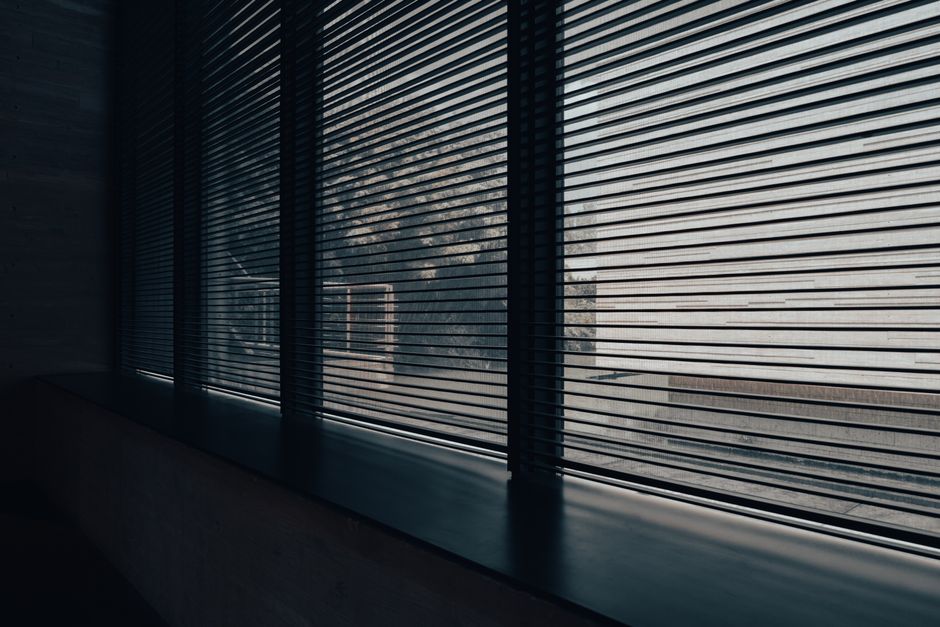
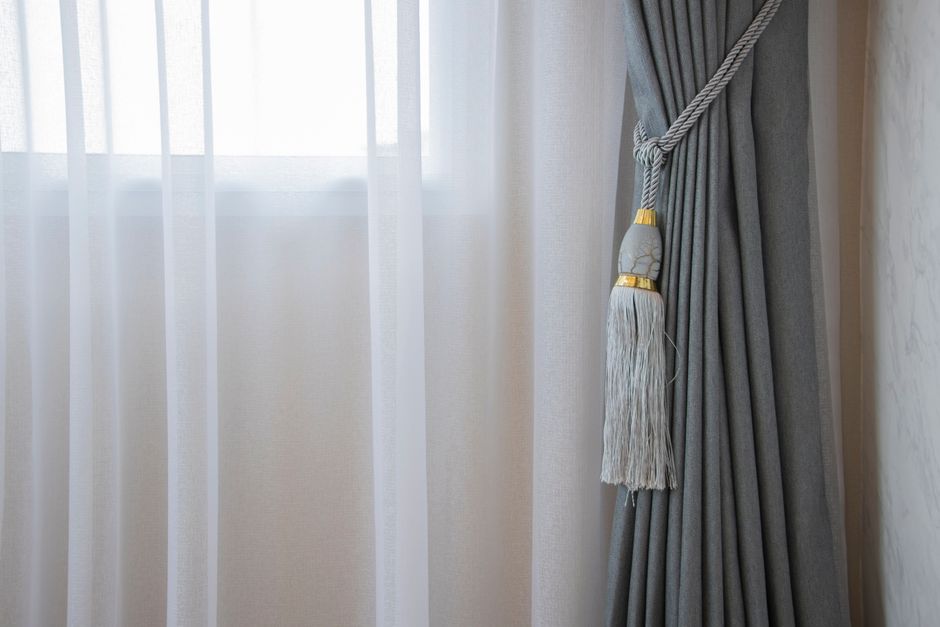
Choosing the right materials and designs for window treatments plays a crucial role in enhancing energy efficiency. Materials like cellular shades or thermal curtains are particularly effective in maintaining indoor temperatures by providing additional insulation.
Cellular shades, also known as honeycomb shades, are designed with a unique cellular structure that traps air, providing an insulating layer that minimizes energy transfer. This structure helps keep homes cooler in summer and warmer in winter. Similarly, thermal curtains are made from dense materials that provide a barrier against heat exchange, minimizing heat loss during colder months. Integrating these materials with automated control systems can further maximize their energy-saving potential by adapting to changing weather patterns efficiently.
Innovative designs that incorporate dual functionality, such as a combination of sheers and blackout layers, offer flexibility to adapt to varying light and privacy needs, while still maintaining energy efficiency. Investing in these solutions not only reduces energy consumption but also enhances aesthetic appeal and lifestyle comfort.
The role of automation and smart technology
Integrating automation and smart technology with minimalist window treatments can significantly enhance their energy-saving potential. Automated blinds and shades offer precise control over sunlight exposure, adjusting automatically to optimal positions throughout the day.
These smart systems can be programmed to open, close, or adjust based on the time of day or external weather conditions. For instance, during hot summer afternoons, smart blinds can close to prevent excess heat entry, while opening during cold winter afternoons to allow passive solar heating. This capability not only enhances comfort but also reduces the load on heating and cooling systems.
Additionally, these systems can be managed remotely via mobile devices, providing convenience and greater control over window treatments, especially in homes with multiple windows. As smart home technology continues to evolve, the integration of intelligent window treatments becomes even more integral in achieving energy-efficient, sustainable living environments.
Long-term financial benefits of energy-efficient window treatments
Investing in energy-efficient window treatments yields significant long-term financial savings. While the initial outlay for advanced designs and smart technologies might be higher, the reduction in energy bills can quickly offset the costs.
On average, homeowners who integrate energy-efficient window treatments can expect to reduce their annual heating and cooling costs by up to 30%. This reduction not only lessens the economic burden but also contributes to a lower carbon footprint. The durable nature of high-quality window treatments means they require less frequent replacement, further saving costs over time.
Moreover, homes equipped with energy-efficient solutions tend to have higher property values, as energy-saving features are increasingly sought after by environmentally conscious buyers. These improvements appeal to buyers looking for reduced utility expenses and a commitment to sustainable living. Therefore, energy-efficient window treatments are not just an expense but a valuable investment in both property and environmental stewardship.
Creëer een schilderachtige binnen-buiten flow met glazen schuifwanden to further complement your home’s aesthetic and energy efficiency.
Current trends in minimalist window treatments
Minimalist window treatments are constantly evolving, with new trends emphasizing sustainability and customization. Designs are increasingly feature thin profiles, soft colors, and textiles sourced from sustainable or recycled materials.
The trend towards using textielbanners op maat reflects a broader preference for personalization, allowing homeowners to create unique spaces while being eco-friendly. Shades and blinds now come in smart adaptable fabrics that dynamically adjust to light conditions, enhancing aesthetic appeal without compromising energy efficiency.
Furthermore, fabric choices such as organic cotton or recycled polyester are becoming popular for their reduced environmental impact. This movement aligns with the latest design philosophies, where practical solutions harmonize with green technologies, leading to energy-efficient homes tailored to personal tastes and sustainable values.
Exploring options like buitenkussens die tegen elk weertype bestand zijn also illustrates the importance of all-weather capabilities, reflecting how outdoor and indoor living areas are becoming interconnected through design innovation.
Veelgestelde vragen
What types of materials are best for energy-efficient window treatments?
Materials like cellular shades and thermal curtains are excellent for energy efficiency due to their superior insulating properties. These materials trap air and block heat transfer, making them effective in reducing heating and cooling costs.
How does automation enhance window treatments’ energy efficiency?
Automation allows window treatments to adjust automatically based on time or weather, optimizing natural light and reducing HVAC reliance. This leads to a significant decrease in energy consumption and improved indoor comfort.
Are minimalist window treatments financially beneficial in the long run?
Yes, they can reduce energy bills by up to 30%, offering substantial savings over time while increasing overall property value due to their modern and efficient design.
What are the latest trends in window treatment designs?
The current trends include sustainable materials, smart adaptable fabrics, and personalized designs like custom textile banners, which emphasize eco-friendliness and aesthetic appeal.
A greener future through simplicity
Minimalist window treatments serve more than just an aesthetic purpose; they are key players in the quest for energy efficiency and sustainable living. With their capability to control natural light, provide insulation, and integrate with smart technologies, these treatments significantly reduce energy consumption, providing both environmental and economic benefits. Investing in quality window solutions is a long-term strategy that enhances home comfort and reduces carbon footprints, steering us toward a more sustainable future where simplicity and efficiency go hand in hand.
