



Homeowners around the world are constantly seeking effective ways to prevent the excessive heat often associated with heatwaves, especially in the wake of climate changes predicted for 2026. As energy costs rise with increased demand during peak temperatures, exploring alternative energy solutions becomes not just advantageous, but essential. This article delves into practical and innovative methods of heatwave prevention at home through sustainable energy solutions.
Belangrijkste punten
- Investing in solar panels can significantly lower home temperature and reduce electricity costs.
- Utilizing passive cooling strategies can naturally reduce heat buildup.
- Smart home technology enables efficient energy management and heat regulation.
- Hydroponic green roofs enhance insulation and promote biodiversity.
- Sustainable window films provide effective thermal regulation.
How can solar energy help in reducing heat at home?
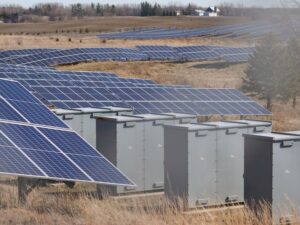
Solar energy provides a dual benefit: it powers your home while contributing to temperature regulation. By installing solar panels, you can significantly reduce the reliance on traditional electrical grids, which often spike in usage during heatwaves, leading to potential outages.
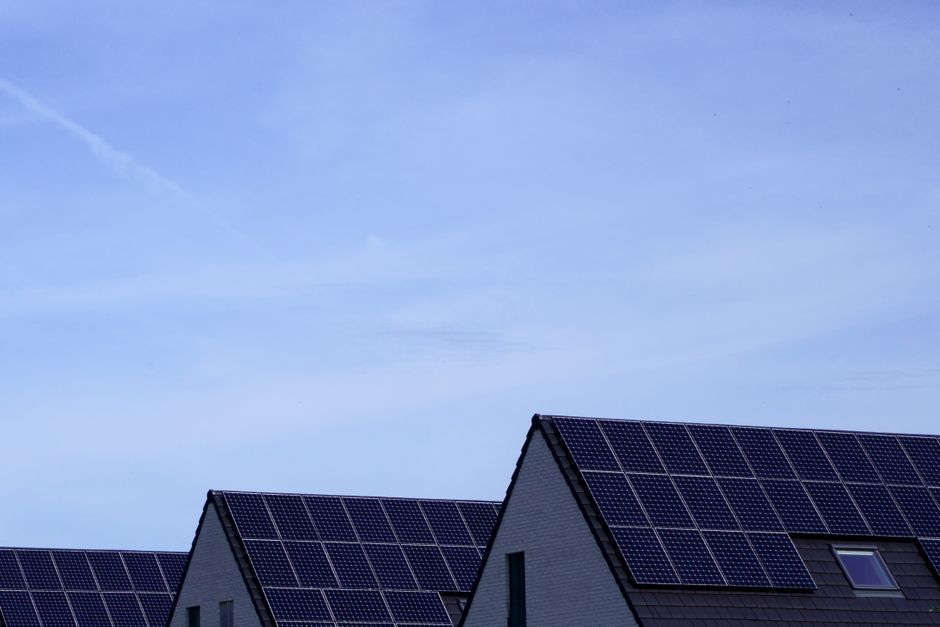
Beyond energy generation, solar panels give shade to your roof, reducing overall heat penetration. Many homeowners report a decrease in indoor temperature by up to 3°C after integrating solar roofing.Additionally, incentives are often available for homeowners transitioning to solar power, reducing initial installation costs substantially.
What is passive cooling and how does it work?
Passive cooling harnesses the natural climate to maintain a comfortable home temperature without active mechanical systems. This can involve design elements like high ceilings and strategic window placement for optimal airflow.
However, redesigning your home isn’t always feasible. Simple methods such as cross-ventilation, using raamstickers op maat to optimize sunlight entry, and planting trees for shade can significantly lower temperatures. By positioning plants around your home, you can create a natural barrier against heat.
How does smart home technology optimize energy efficiency?
Smart home technology optimizes energy use, making homes more efficient and resilient against heatwaves. Devices such as smart thermostats automatically adjust temperatures for energy efficiency and comfort.
Additionally, smart blinds and curtains can be programmed to respond to sunlight, thus regulating indoor temperatures more effectively. Many homeowners are integrating these technologies to maintain cooler environments without over-reliance on air conditioning.Pairing these technologies with aesthetic enhancements like De kunst van het samenstellen van oranje accenten voor een warme zomersfeer can creatively boost your home’s ambiance while enhancing functionality.
Why are hydroponic green roofs effective for climate control?
Hydroponic green roofs serve as natural insulators, substantially minimizing heat transfer into buildings. They achieve this through evaporative cooling, where plants release moisture, thus cooling the air.
In cities particularly, where heat absorption is a problem, these green spaces improve air quality and enhance environmental biodiversity. By adopting hydroponic systems, homeowners benefit from lighter roof structures, lower water usage, and increased insulation properties.

How do sustainable window films aid in thermal regulation?
Sustainable window films are a cost-effective solution for minimizing solar heat gain. They consist of thin layers applied to glass surfaces, which reflect a significant portion of solar radiation.Such reductions in solar energy admission help keep internal environments cooler and reduce the load on cooling systems. By using these films, homes can achieve a balanced temperature with less energy consumption.
