



Incorporating integrated sensors in your bathroom can be a game-changer for enhancing energy and water savings. As we become more aware of environmental changes and their impact, intelligent solutions that cater to eco-friendly living, like these sensors, are becoming indispensable. In this article, we’ll uncover how these sensors work, their immediate benefits, and how you can start implementing them in your own home.
Belangrijkste punten
- Integrated sensors in bathrooms can significantly reduce energy and water consumption.
- Smart showers and faucets can cut water usage by up to 50%.
- Optimizing heating in bathrooms with sensors can reduce energy bills by 30%.
- These solutions are not only eco-friendly but contribute to a personalized user experience.
- Implementing these technologies seamlessly integrates with modern interior design concepts.
How do sensors work for energy and water efficiency?
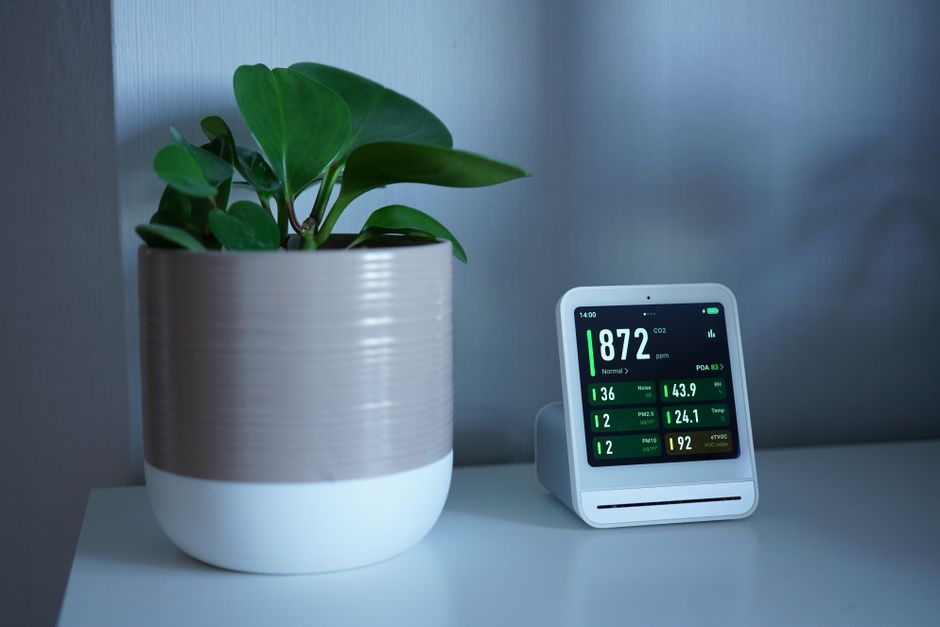
Sensors work by enabling automated adjustments and monitoring within your bathroom, significantly enhancing energy and water efficiency. They detect when and how fixtures are used, creating real-time tweaks to reduce waste.
For instance, smart water sensors installed in showers and taps can reduce water usage by instructing the fixture to only release water when needed. An infrared sensor, which detects movement and presence, turns the water off when its user steps away, minimizing wastage.
What are smart showers and taps?
Smart showers and taps are fixtures equipped with advanced sensors to optimize water usage and temperature control. They use Bluetooth or Wi-Fi connectivity to track and adjust water flow, temperature, and usage pattern data for maximum efficiency.
These devices can feature programmable settings tailored to your routine, ensuring you’re not using more water than necessary. Studies suggest that such technology can reduce water use by up to 50%, leading to significant savings on water bills over time.
Notably, this technology might complement eco-friendly flooring solutions like Thermische tapijten, ensuring a holistic approach to energy saving within the home.
How do temperature and heating controls improve energy usage?
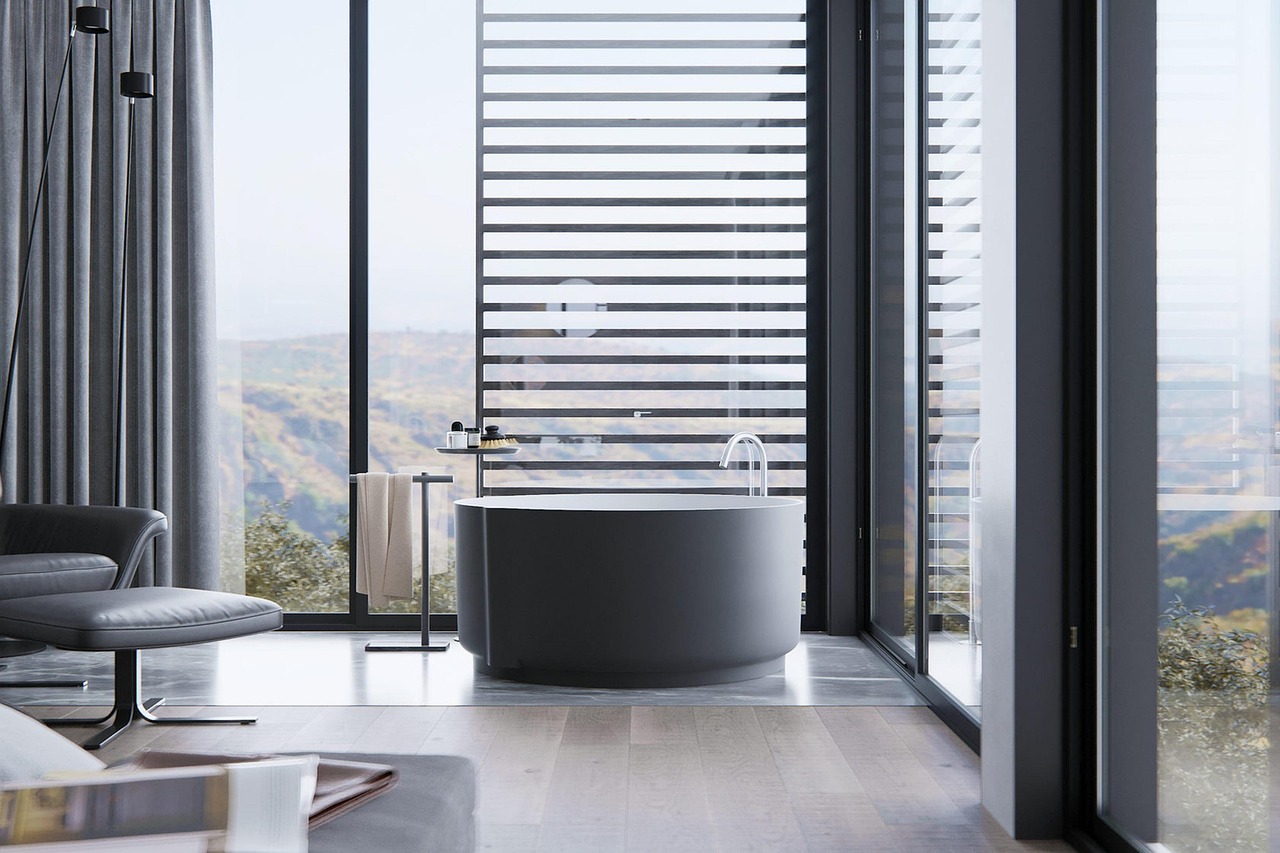
Temperature and heating controls in bathrooms, enabled by smart sensors, offer precise climate management, allowing energy savings and user comfort. These systems detect presence and can pre-heat a room just before use, then cut off heating when not needed.
Research indicates that adaptive heating can save up to 30% on energy bills. Such technologies can be seamlessly intertwined with Minimalistische verlichting voor een strak badkamerdesign, accentuating both efficiency and aesthetic value.
Why are these technologies eco-friendly and futuristic?
Technologies like bathroom sensors are both eco-friendly and futuristic due to their sustainable design and anticipatory functionalities. By reducing the consumption of natural resources, they support the planet’s health as well.
Moreover, they adapt to user behaviors, becoming more efficient over time. With a nod to the raamstickers op maat, they integrate smoothly in contemporary settings, providing personalized user environments.
How can you implement these solutions in your home?
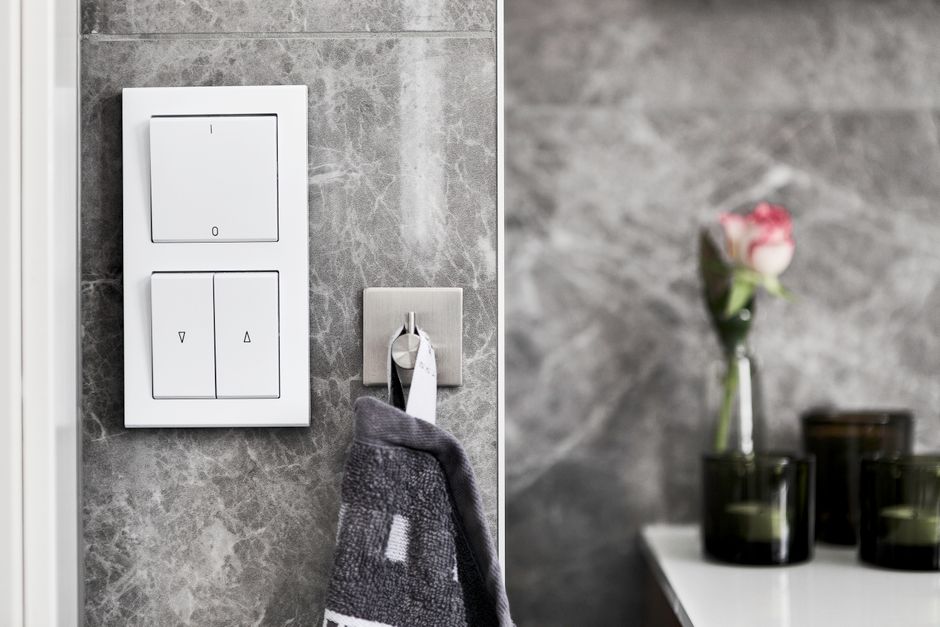
Implementing sensor-based solutions in your bathroom can start with assessing your current water and energy usage. Identify key areas for improvement, whether it’s through upgrading fixtures or adding sophisticated monitoring to your environment.
Bringing technology into your home begins with investing in compatible smart fixtures. Begin with an upgrade of your shower system or install smart faucets, which can often be fitted to existing plumbing setups without substantial renovations.
Consider linking bathroom technology with home systems that regulate other parts of your dwelling, forming a cohesive eco-system. Embracing these steps can be as therapeutic and enveloping as exploring De magie van parfumtuinen in de lente, offering both practicality and enjoyment at home.
Veelgestelde vragen
What is the average cost of installing bathroom sensors?
The average cost can vary depending on the quality and brand, but a full set for a smart bathroom could range between $500 and $2,000.
How do I maintain these sensor systems?
Maintenance typically involves regular cleaning to avoid sensor obstruction, and software updates to ensure they operate efficiently.
Can these sensors be retrofitted to older systems?
Yes, many modern sensors are designed to be retrofitted, allowing integration with existing setups without significant alterations.
Do these solutions really save money?
Indeed, they do. By lowering water and energy usage, homeowners can see a reduction of up to 50% on utility bills over time.
A glimpse into the future of bathrooms
The integration of sensors in bathrooms heralds a new era of sustainable living. These technologies reimagine water and energy efficiency, offering a precise, data-driven approach to consumption reduction. By embracing this seamless blend of technology and design, homeowners can enjoy an eco-friendly lifestyle while still benefiting from modern comforts and luxuries. Truly, these innovations signal a revolutionary shift towards responsible, intelligent home environments.
