



As the summer of 2026 unfolds, the trend of dark kitchens continues to mesmerize homeowners and designers alike. Dark kitchens offer a unique, dramatic charm that can transform the heart of a home into a statement of elegance and sophistication. This article explores why dark kitchens are captivating hearts in the sunny season and how they can be styled for maximum impact.
Belangrijkste punten
- Dark kitchens provide a dramatic flair enhanced by smart lighting strategies.
- Contrasting light and dark elements can be used to create balance.
- Choosing the right materials and finishes is crucial for a practical dark kitchen.
- Accent colors can bring personality and variation in a dark kitchen setup.
Why dark kitchens hold a unique appeal
The aesthetic appeal of dark kitchens lies in their ability to create a moody and luxurious atmosphere. In an era where minimalism and sophistication dominate interior design trends, dark kitchens offer a perfect blend of both.
These kitchens are known for their deep, rich tones, which can range from charcoal and navy to black and deep greens. The use of darker tones creates a canvas for more dynamic textures and finishes, making every surface a point of intrigue. The increase in popularity is partly due to the versatility of these kitchens; they can be designed to suit both contemporary and traditional settings.
How lighting strategies enhance dark kitchens
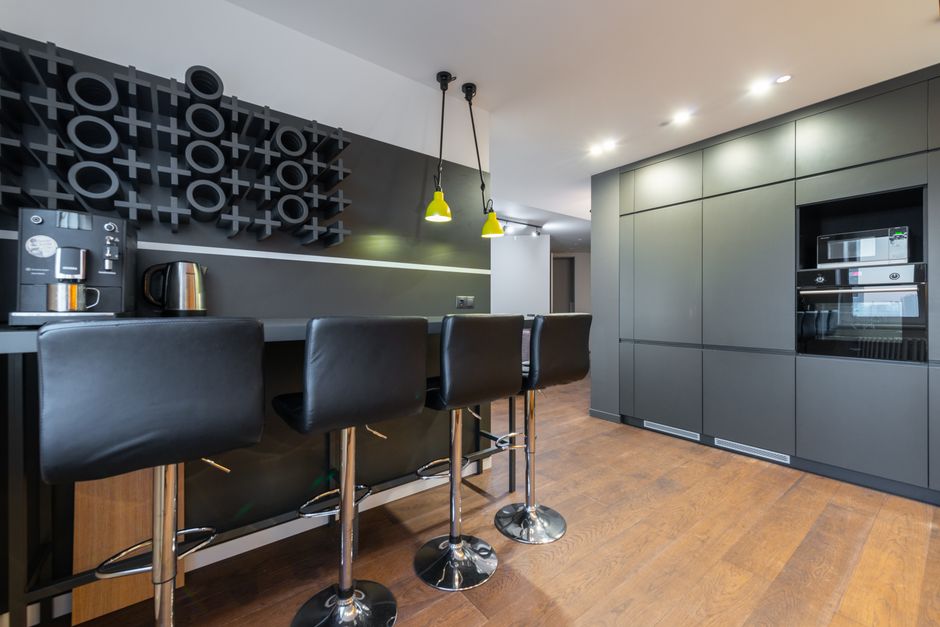
Lighting is crucial in enhancing the beauty and functionality of dark kitchens. Strategic lighting choices can add warmth and highlight key design elements.
Good lighting schemes often include a mix of ambient, task, and accent lighting. For instance, pendant lights over an island can offer both functional light and an opportunity to add a touch of style. Similarly, under-cabinet lighting can illuminate work surfaces while sparkling elegantly on dark counter tops.
Balancing contrasting elements in a dark kitchen
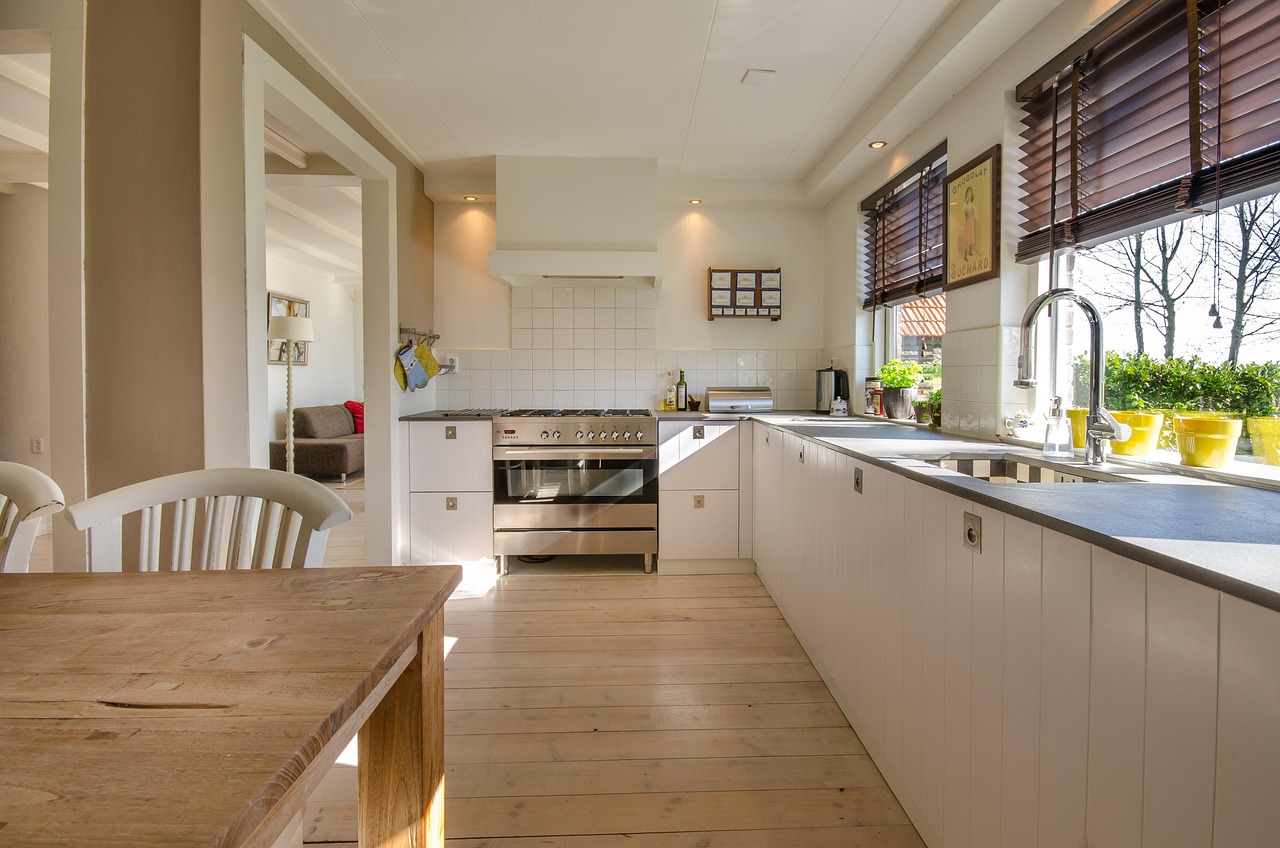
Balancing light and dark elements is essential in creating a cohesive kitchen. This can be achieved by introducing contrasting features and textures that can prevent the kitchen from feeling too dark or confined.
White or light countertops, back splashes, and open shelving can counteract the dark cabinetry. The integration of light wood textures or metallic accents can further enhance the space by offering reflective surfaces that bounce light around the room.
The importance of materials and finishes
The choice of materials and finishes is critical when designing a dark kitchen. Using high-gloss finishes or marble can reflect light and bring luminosity to the space.
Natural stones like granite or quartz are popular choices, providing durability and a timeless look. Metal finishes in fixtures can also add a touch of glamor, ensuring the kitchen remains not only functional but also visually appealing.
Bringing character with accent colors
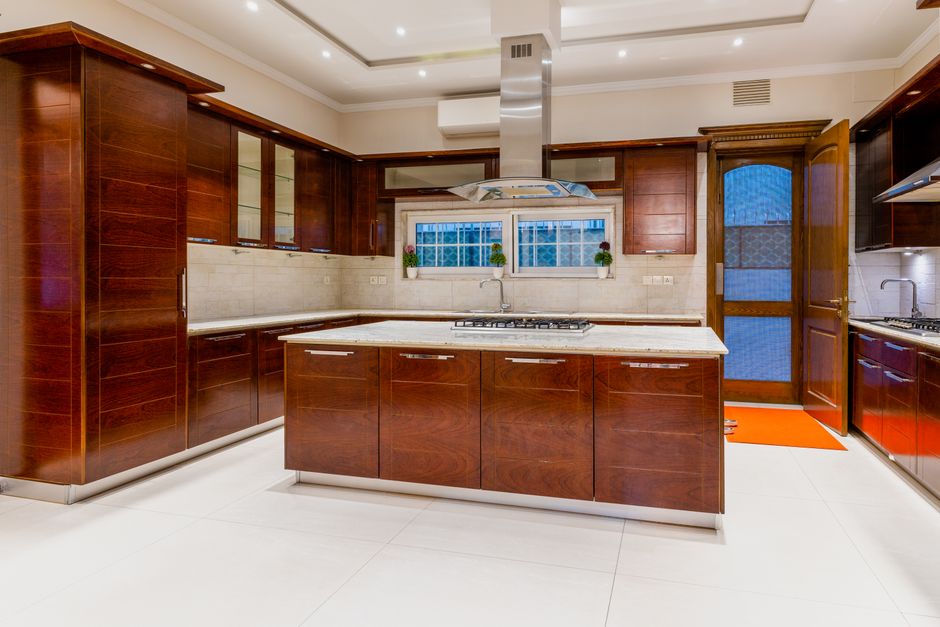
Strategically incorporating accent colors can inject personality into a dark kitchen. While the primary palette remains dark, splashes of color can bring vibrancy and life.
Accent colors can be added through soft furnishings like cushions or curtains, kitchenware, or even a statement piece like a colorful fridge or bold artwork. These elements can be switched out seasonally, allowing the kitchen to evolve over time. When coordinated with safety aspects, like in child-friendly decor, they maintain both style and practicality.
Veelgestelde vragen
What are the benefits of having a dark kitchen?
Dark kitchens offer a rich, luxurious atmosphere that can be both sophisticated and cozy. They’re versatile, pairing well with various styles, and allow for unique personalization through complementary textures.
How do you maintain cleanliness in a dark kitchen?
Regular cleaning is essential to maintain the aesthetic appeal of dark surfaces. Use gentle, non-abrasive cleaners to prevent scratching, and ensure proper lighting to spot spills and crumbs easily.
Can small kitchens be designed dark?
Yes, small kitchens can be designed dark by carefully balancing color palettes and lighting. Use reflective surfaces and integrated lighting to create an illusion of space, making the kitchen feel cozy yet open.
What materials are best for dark kitchen cabinets?
Materials like wood veneers, matte finishes, and high-gloss laminates are excellent choices for dark kitchen cabinets, providing durability and a rich textural experience.
A symphony of shadow and light
The allure of dark kitchens lies in their ability to blend drama with functionality seamlessly. As styles evolve, these kitchens stand out for their timeless charm, combining rich textures with elegance. In dark kitchens, the strategic play of light and shadow creates a harmonious environment that both stimulates and comforts, embodying the ultimate modern sophistication in home design.
