



DIY antispray hydroponics for indoor fall crops
As autumn brings in crisp air and shorter days, it’s the perfect time to start growing fall crops indoors using antispray hydroponics. This innovative method ensures your vegetables thrive without the mess of traditional soil gardening. By creating a controlled indoor environment, you can maintain optimal growing conditions regardless of the outdoor weather.
Belangrijkste punten
- Antispray hydroponics allows for clean and efficient indoor gardening.
- Fall crops such as lettuce, spinach, and radishes thrive in hydroponic systems.
- Proper lighting and nutrient management are critical for success.
- Maintenance includes regular monitoring of pH and nutrient levels.
- Hydroponics minimizes water usage and maximizes yield.
What is antispray hydroponics?
Antispray hydroponics is a soil-less gardening technique that uses nutrient-rich water solutions to grow plants indoors. It’s particularly effective for those who want to grow fall crops in a clean environment.
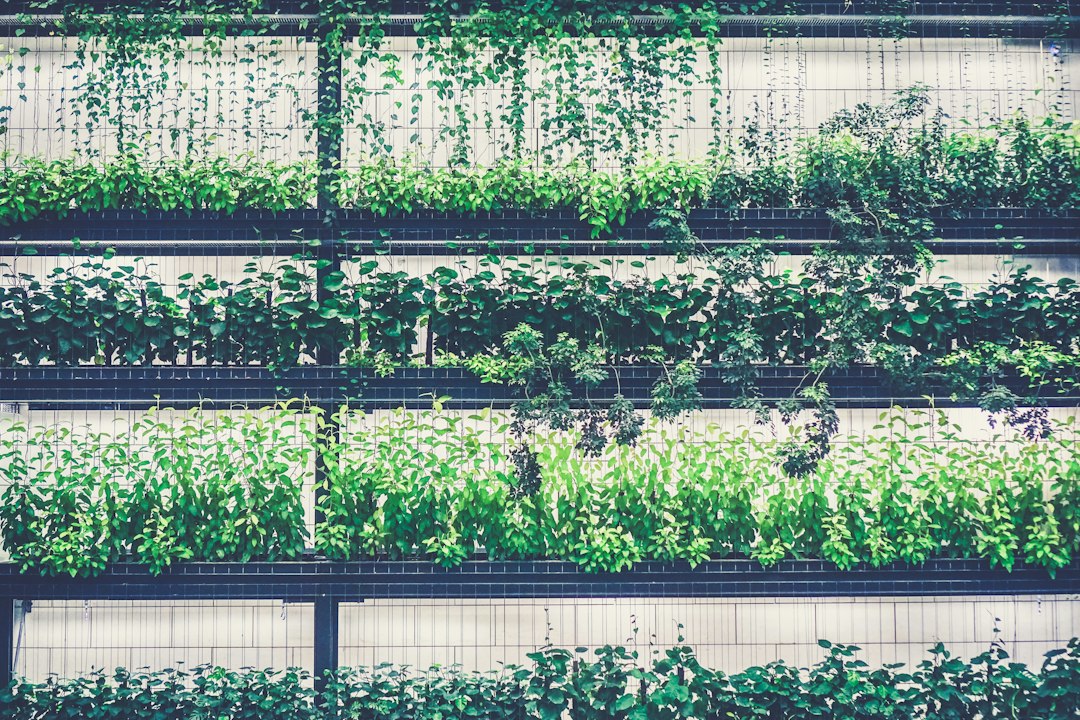
This approach prevents over-saturation and ensures that the water and nutrients are absorbed directly by the roots without the risk of evaporation loss. It’s an ideal solution for indoor settings where space and cleanliness are priorities.
Benefits of growing fall crops indoors
Growing fall crops indoors extends your gardening season and provides fresh produce year-round. Fall crops such as lettuce, spinach, and radishes are easy to cultivate indoors using antispray hydroponics.
Not only do they flourish in cooler autumn temperatures, but they also require less lighting than summer crops like tomatoes or peppers, making them energy-efficient choices. Indoors, you can effectively manage lighting and temperature conditions, offering optimal growth environments for these crops.
Setting up your antispray hydroponic system
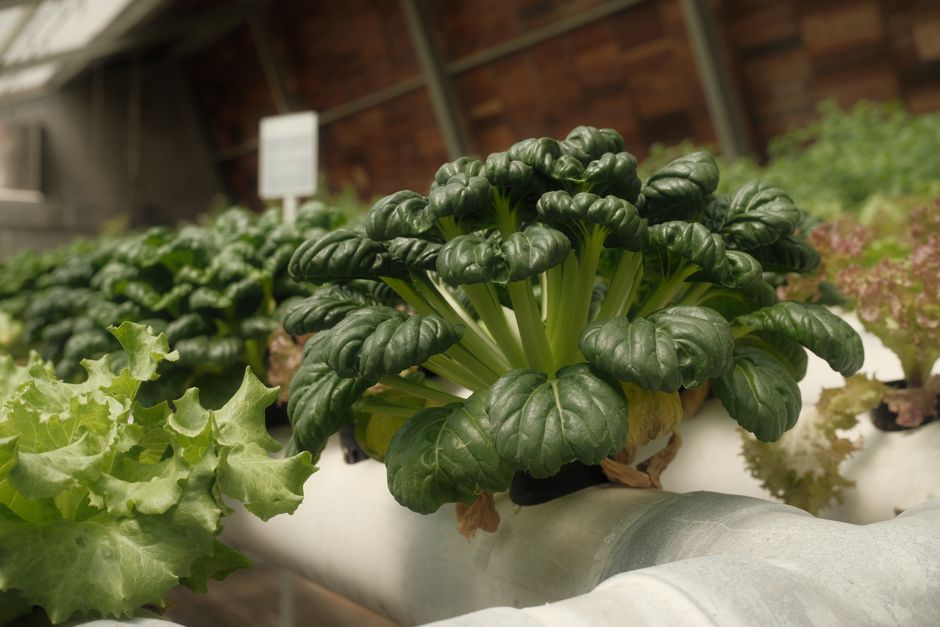
Start by selecting a space with sufficient room and access to electricity and water. You’ll need a basic hydroponic kit, which includes a reservoir, growing trays, a water pump, and lighting. For broader knowledge in household projects, you might be inspired by popular family bloggers.
Choose a system that fits your needs—NFT (Nutrient Film Technique) and DWC (Deep Water Culture) are both excellent for growing leafy greens, for example. Assembling and customizing these systems can additionally link to your home decor projects, where companies like Foto4art offer ideas on how your indoor garden could complement household aesthetics.
Managing light and nutrients
Supplemental lighting is vital for indoor gardening, especially during fall’s shorter days. LED grow lights are energy-efficient and provide the full spectrum of light needed for healthy plant growth.
