


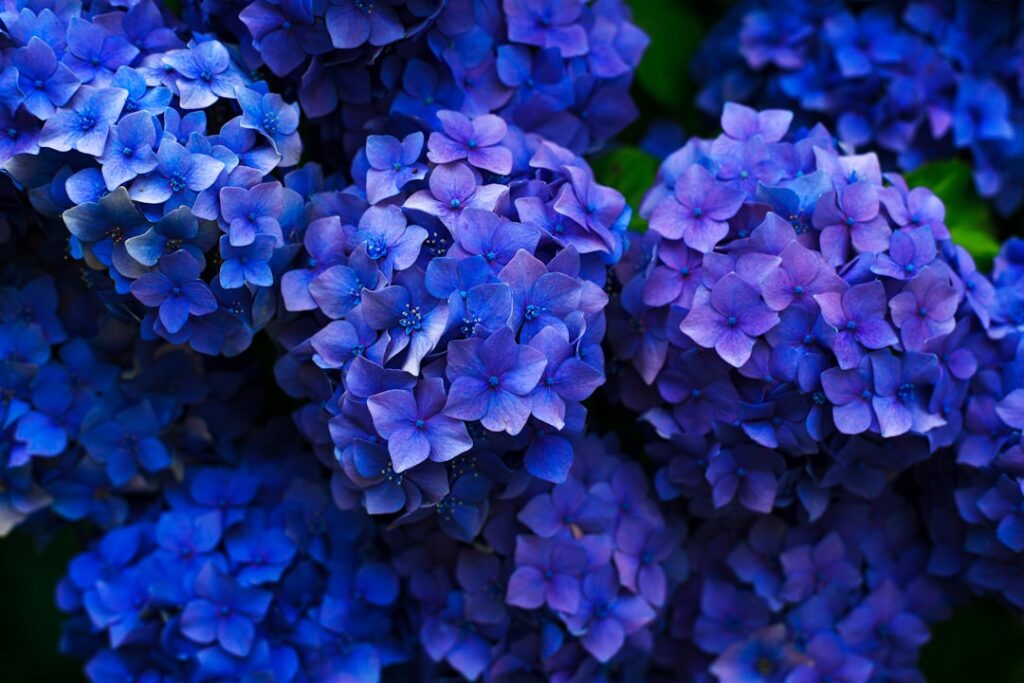
In the tranquil world of gardening, the serene shade of blue often brings to mind the picturesque presence of blue hydrangeas. These captivating flowers introduce a calm elegance to any garden setting. Their vibrant blue blossoms not only catch the eye but also offer an unparalleled sense of peace and tranquility that is rare in the natural world.
Belangrijkste punten
- Blue hydrangeas provide a unique and soothing visual appeal to gardens.
- The color of hydrangeas can be influenced by soil pH, which you can adjust.
- Proper planting and care are essential for thriving blue hydrangeas.
- Blue hydrangeas can transform garden spaces by adding both color and texture.
Why choose blue hydrangeas for your garden?
Blue hydrangeas are an excellent choice for gardeners seeking to add tranquility and a pop of color to their gardens. Known for their unique ability to change color based on soil pH, these flowers provide a wonderful opportunity for gardeners to manipulate and vary their garden palette.
The fascination with blue hydrangeas largely stems from their distinct color which is less common in the plant kingdom. The soothing hue is not only visually appealing but also has psychological benefits, such as promoting calmness and peace.
The magic behind blue blooms
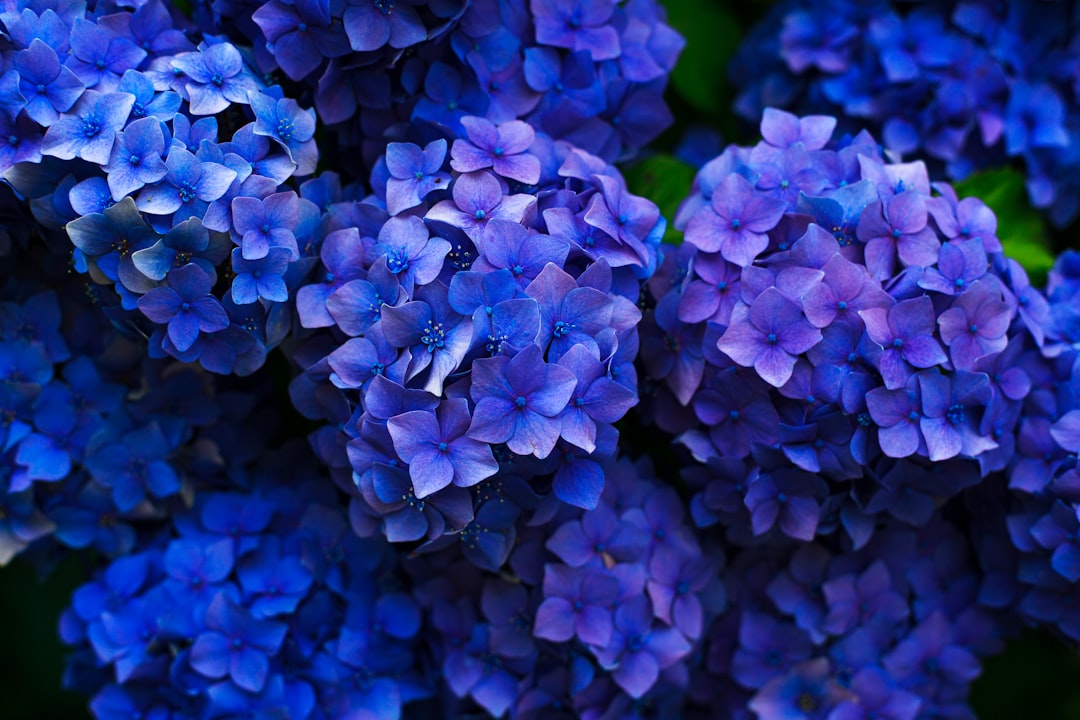
The enchanting blue hue of hydrangeas is not a mere accident of nature but a result of the soil’s chemistry interacting with the plant. By understanding and manipulating these natural processes, you can create vibrant blue blooms that stand out in any garden.
. To encourage blue blooms, the soil pH needs to be more acidic, ideally between 5.2 and 5.5. Gardeners can adjust the pH through the addition of soil additives such as aluminum sulfate or sulfur to enhance the blue coloration.
Proper planting and care for blue hydrangeas
To ensure your blue hydrangeas remain healthy and vibrant, certain care and planting practices must be followed. From selecting the right location to maintaining excellent soil conditions, these are vital steps for successful growth.
Hydrangeas thrive in well-drained soil that is rich in organic matter. It’s essential to plant them in partial shade to protect them from the intense midday sun, which can cause wilting. Regular watering, especially during dry spells, is crucial to keep the hydrangeas hydrated and healthy.
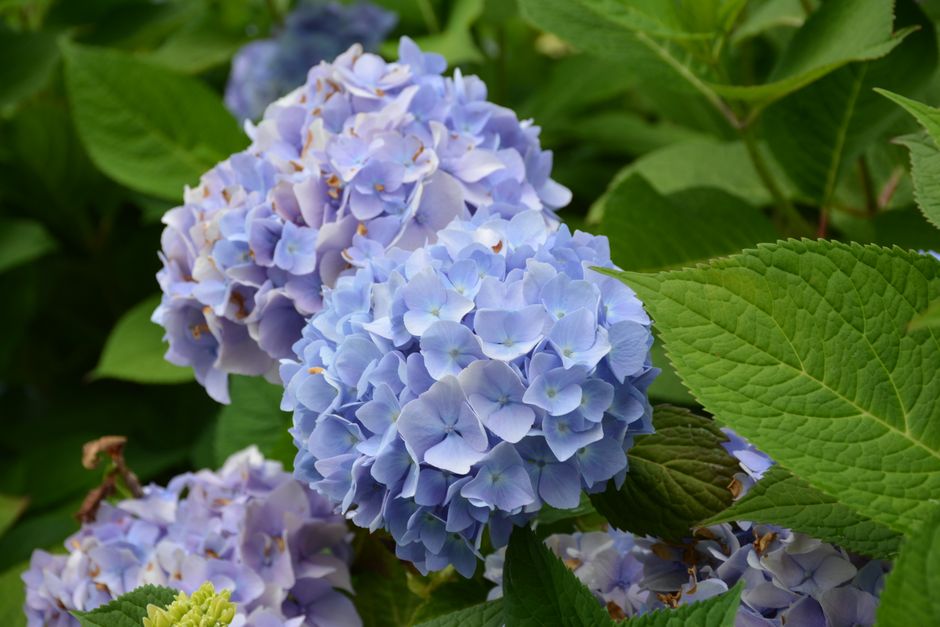
When planting, ensure they have ample space to grow by allowing at least three feet between each plant. This spacing will help maintain good air circulation, reducing the likelihood of disease.
Designing garden landscapes with hydrangeas
Incorporating blue hydrangeas into garden designs can dramatically enhance the aesthetic appeal and create a harmonious environment. Whether used as border plants or statement pieces, hydrangeas can transform garden spaces into serene retreats.
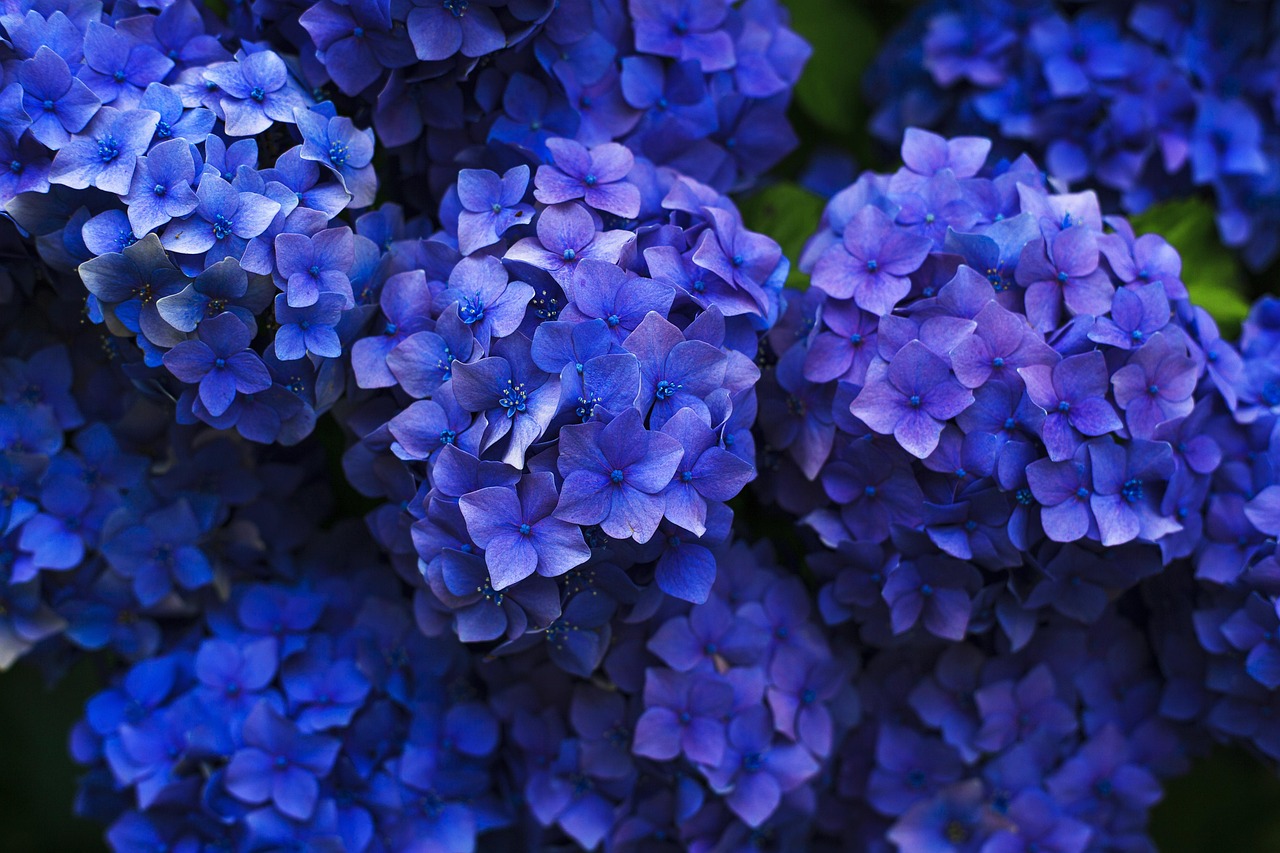
Consider using blue hydrangeas alongside complimentary colors such as whites and pastels to highlight their unique blue hue. They can frame pathways or be utilized to create natural garden walls. Their lush, rounded blooms offer texture, adding a soft, elegant touch to gardens.
For those interested in bolder contrasts, using blue hydrangeas with elements from trend articles like neutral-to-neon accents can add a modern twist to your garden design.
Seasonal considerations for blue hydrangeas
For blue hydrangeas to thrive, understanding seasonal changes and their impacts is crucial. From planting in the right season to protecting them from harsh weather, each season requires different measures.
Plant hydrangeas in early spring or fall when the weather is mild. This timing allows them to establish roots before facing the extremes of summer or winter. In the winter, covering hydrangeas with a layer of mulch can protect them from frost damage.
Avoid pruning new wood hydrangeas until after they’ve bloomed to ensure the integrity of the next season’s flowers. Regular pruning of dead or diseased branches helps maintain plant health and encourages lush growth each season.
Veelgestelde vragen
Can I turn pink hydrangeas into blue ones?
Yes, by adjusting the soil pH to more acidic levels, pink hydrangeas can be encouraged to turn blue over a few seasons.
Are blue hydrangeas suitable for containers?
Yes, blue hydrangeas can thrive in containers if the soil remains well-drained and slightly acidic. Ensure the container has ample drainage holes.
How much sunlight do hydrangeas need?
Hydrangeas require partial shade to protect them from extreme heat, although they appreciate morning sunlight.
What is the best fertilizer for blue hydrangeas?
A well-balanced fertilizer rich in phosphorus supports blooming, while avoiding rapid-release nitrogen to discourage too much leaf growth.
Serene gardens await with blue hydrangeas
Embracing the charm of blue hydrangeas can transform any garden into a peaceful oasis. Their unique hue, adaptable nature, and stunning blooms make them a valuable addition to garden design. Whether you’re looking to create a serene space or make a bold color statement, blue hydrangeas offer endless possibilities for customization and creativity.
By integrating these flower classics into your garden, you can not only achieve visual harmony but also facilitate a reflective and calming outdoor space. With the right care and consideration, you can turn your garden into a masterpiece that blooms with tranquility and beauty throughout the year.
As we navigate through the advancements in horticulture, the blend of traditional gardening with modern innovations like robo-tuintools presents exciting opportunities for the modern gardener to optimize their approach without losing touch with the roots of gardening bliss.
