




Verhoogde groentetuinen voor de kleine stadstuinen

Introduction to raised vegetable gardens

Raised vegetable gardens have become an increasingly popular solution for urban dwellers looking to maximize their limited outdoor spaces. These elevated plots not only optimize space but also enhance the aesthetics and productivity of urban gardens. As we delve into 2026, it’s clear that more and more city residents are discovering the joys of cultivating their own produce right in the heart of the urban jungle.

Belangrijkste punten

  • Raised bed gardens increase efficiency in small urban spaces.
  • They promote better soil conditions and drainage.
  • Elevated gardens are accessible for all ages and reduce strain on the gardener’s back.
  • With proper planning, they can yield an abundant variety of vegetables.

Why raised beds benefit small gardens

Raised beds are a powerful tool for maximizing gardening in constrained urban spaces. They allow gardeners to cultivate more intensively, with less space wasted between rows or for paths. Raised gardens also enable better control over soil conditions, which can drastically improve yield and plant health in urban settings where natural soil is often poor.

Raised vegetable beds in small urban garden.
Afbeelding: Kasiandra Richmond / Unsplash

One of the crucial benefits is the improvement in drainage and soil management. By elevating the growing area, water can move freely, preventing the common issues of waterlogged roots and nutrient leaching. Moreover, raised beds warm up faster in the spring, giving an early start to the growing season, and stay warm longer into the fall.

Design and location considerations

Designing a raised bed garden for a small space involves selecting the right materials and choosing an optimal location. Opt for durable materials like wood, metal, or recycled plastic to withstand weather conditions. Keep the width to about four feet, allowing easy access from both sides without stepping on the soil.

It’s essential to choose a sunny location since most vegetables require at least six to eight hours of sunlight per day for optimal growth. To learn more about utilizing your space effectively, check out how to create inviting seating areas in a small outdoor space.
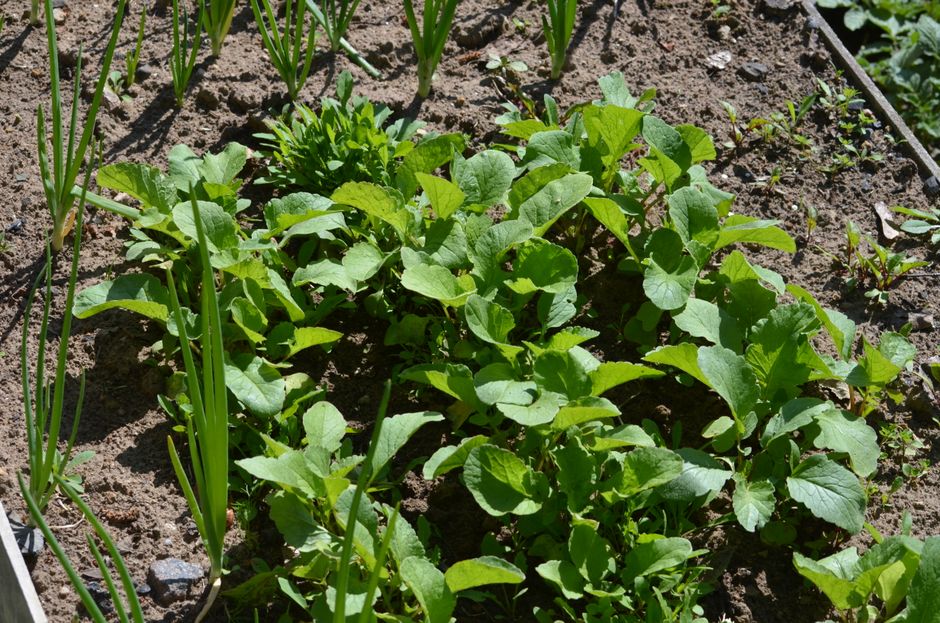
Compact city garden with elevated planter.
Afbeelding: Andrew Swarga / Pexels

Best soil practices and plant choices

A critical factor in successful raised bed gardening is selecting the right soil mix.Regular soil testing is recommended to adjust fertility as needed.

When choosing plants, opt for compact or dwarf varieties that thrive in space-constrained environments. Crops like tomatoes, peppers, lettuce, and herbs are well suited. Rotate crops annually to prevent soil nutrient depletion and control pests.
Maintenance and care tips

Regular maintenance is key to thriving raised gardens. Water the plants evenly and consistently, preferably in the early morning to reduce evaporation. Drip irrigation systems can be an effective, water-saving option. Regularly inspect for pests and remove any weeds that may appear.

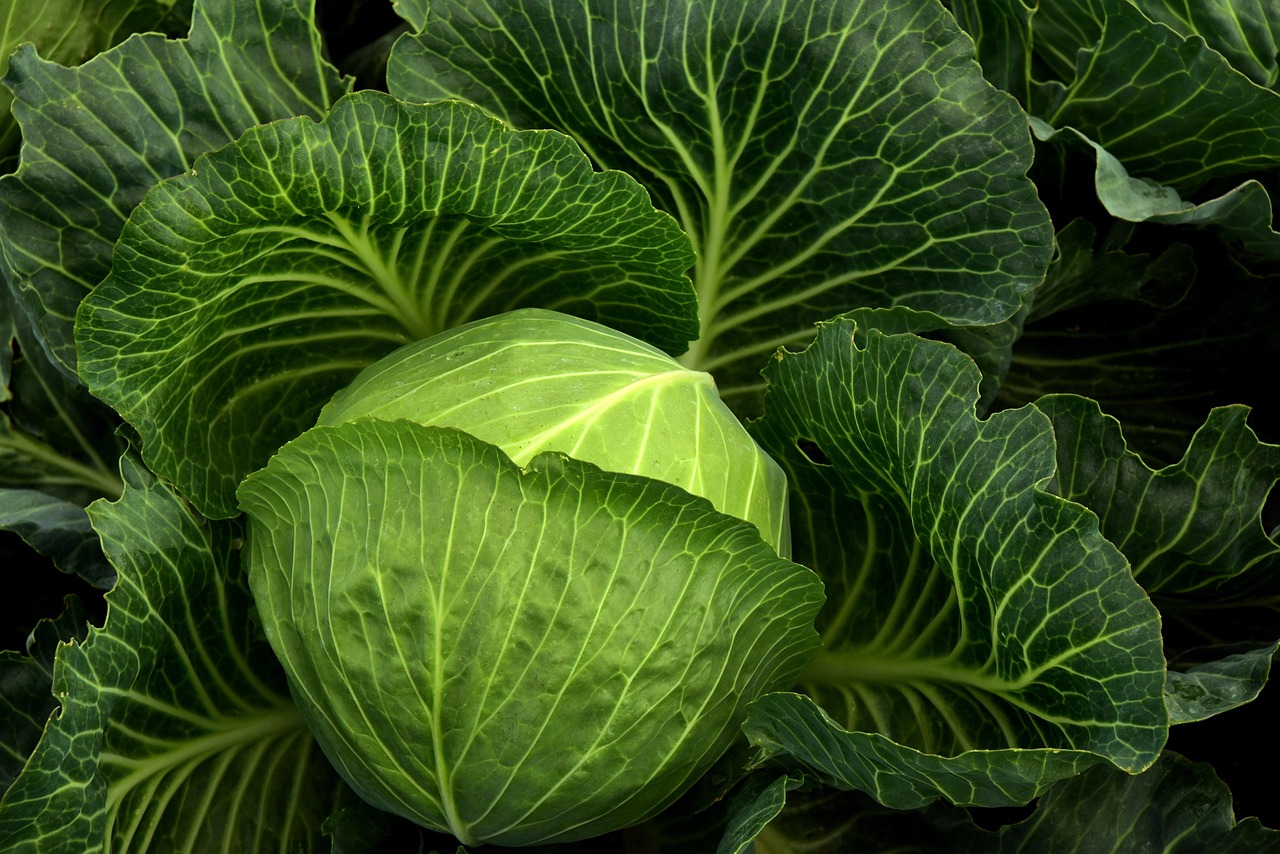
Small city yard with raised vegetable boxes.
Afbeelding: ulleo / Pixabay

Mulching the surface with a layer of straw or wood chips helps retain moisture and stabilize soil temperature. Covering crops in harsh seasons protects them from temperature extremes. If you’re considering more extensive renovations, consider incorporating modern elements like a modern revival of the traditional kitchen hearth for warmth and social congregation points.

Accessibility and ergonomic benefits

Raised gardens offer ergonomic benefits by reducing the need to bend over, making gardening accessible to all ages and abilities. This feature is particularly beneficial for older adults or those with mobility issues, allowing them to continue enjoying garden activities.

Accessible gardening: The practice of designing gardens that accommodate people of all abilities, ensuring that everyone can enjoy and participate in gardening.

Veelgestelde vragen

What materials are best for building a raised garden?

Durable materials like cedar wood, metal, and recycled plastic are best for constructing raised garden beds due to their resistance to rotting and weather-related wear.

How deep should a raised garden bed be?

A depth of 12 to 24 inches is typically sufficient for most vegetable roots. This depth provides enough soil volume to hold nutrients and water.

How often should I water my raised bed garden?

Watering needs depend on the climate and plant types, but generally, once or twice a week is sufficient. It is important to water deeply to encourage root growth.

Can I integrate flowers with vegetables in raised beds?

Yes, integrating flowers with vegetables can enhance pollination and pest control while adding aesthetic value to the garden.

The trend towards raised vegetable gardens in small urban spaces represents a gardening renaissance, combining nourishment with aesthetic appeal. These gardens not only offer a solution to space constraints but also foster a sense of community and sustainability. As city residents continue to prioritize health and environmental consciousness, raised gardens will remain a vital part of modern urban living.


Lina
Author

Lina